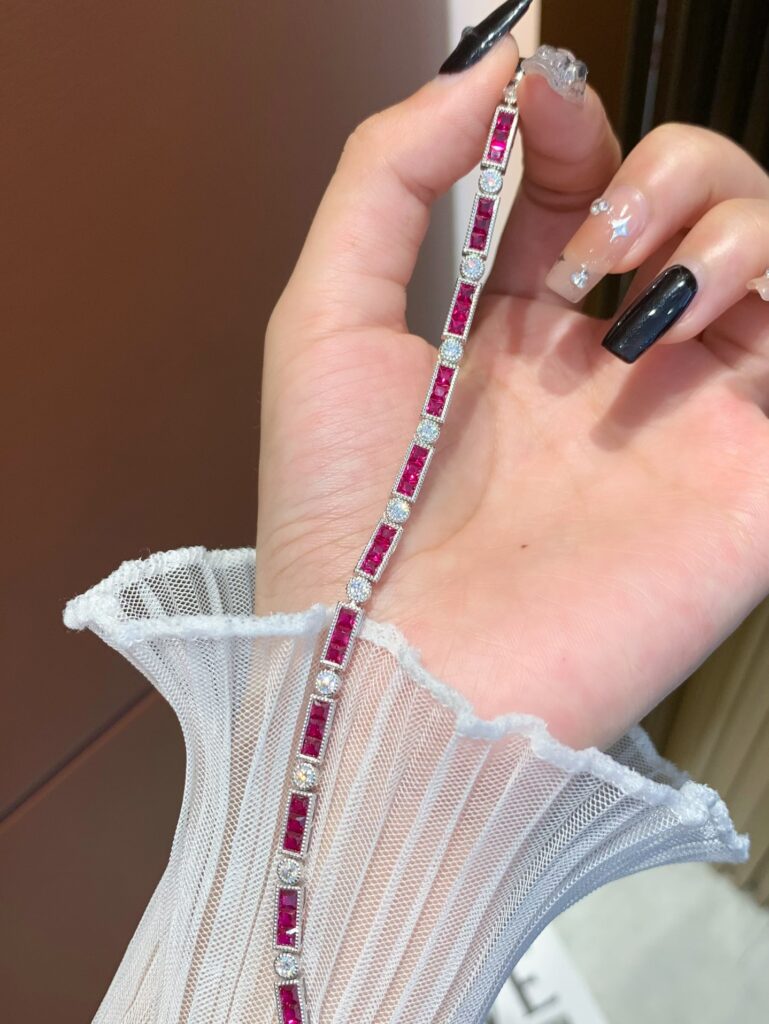
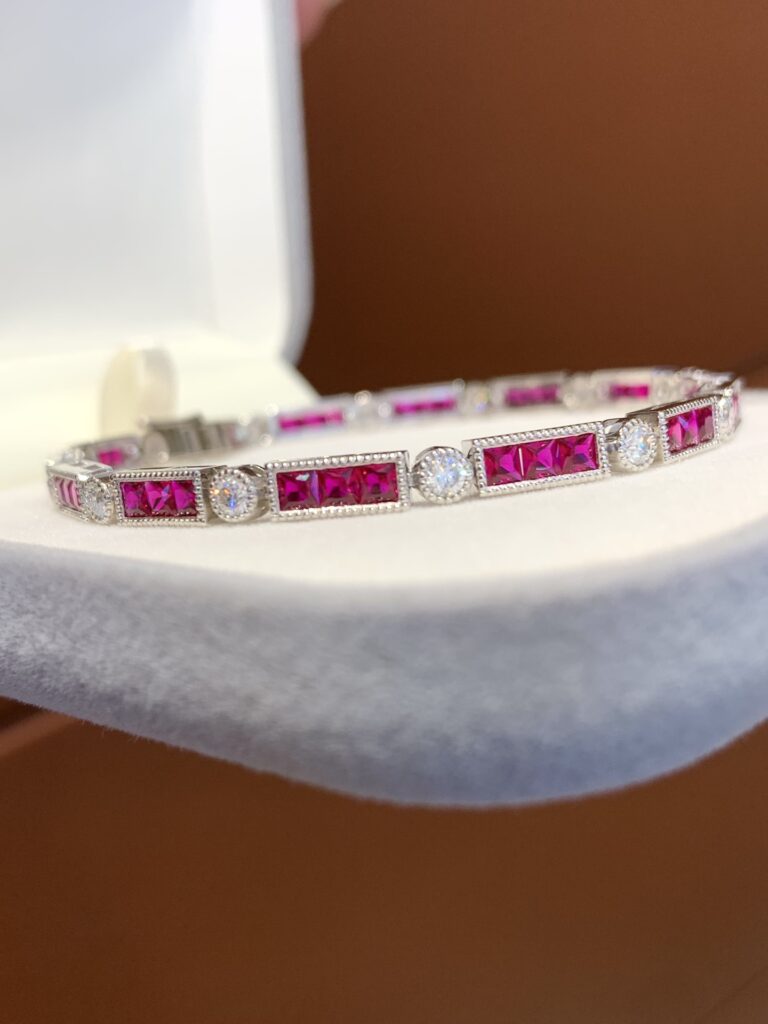
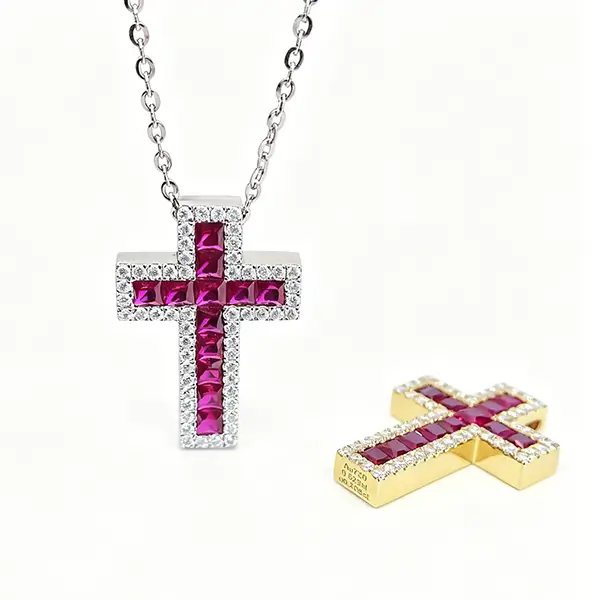
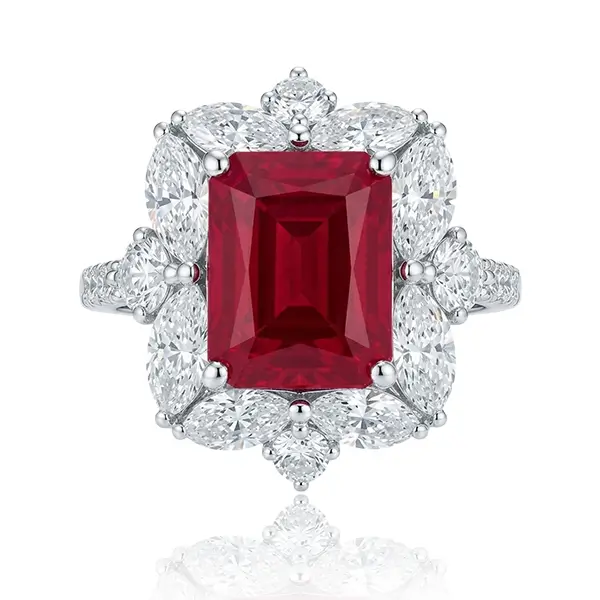
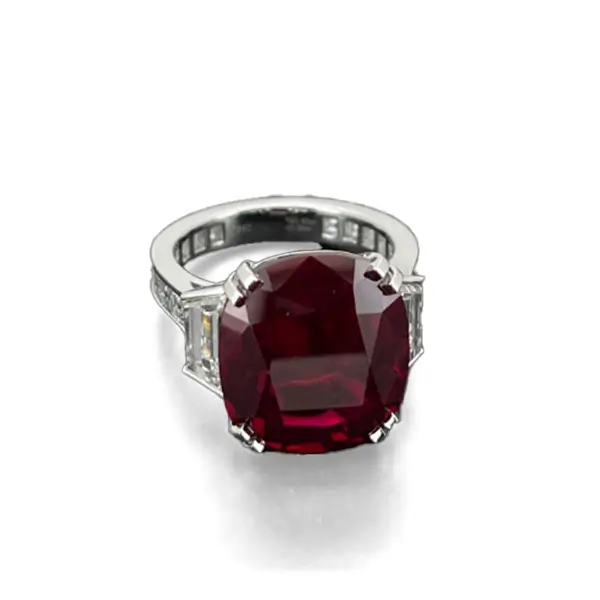
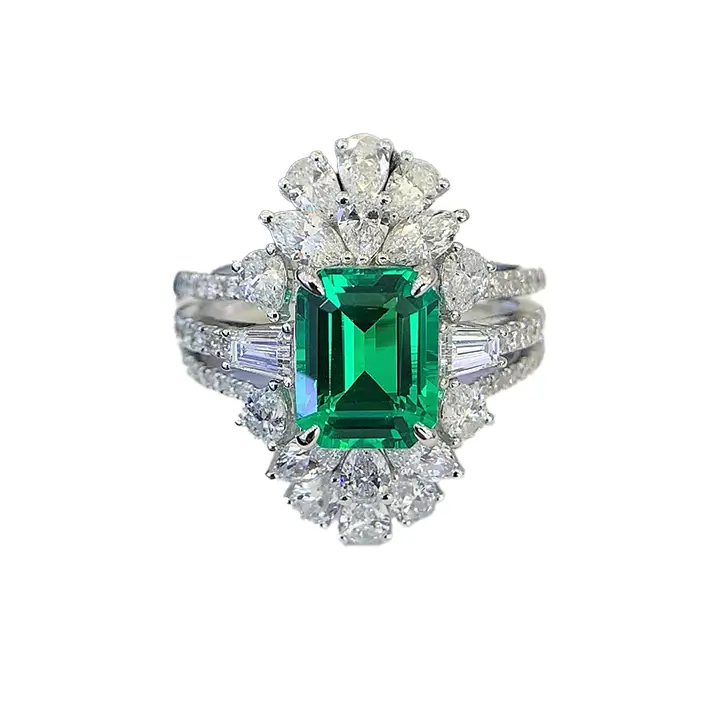
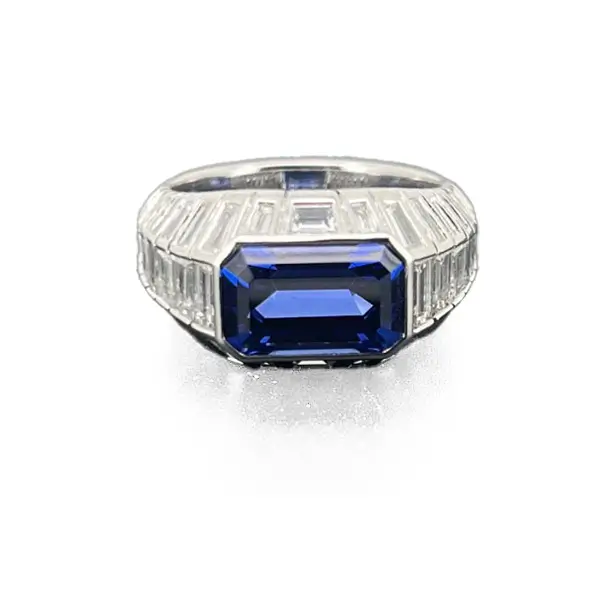
Lab Grown Ruby Necklaces Where Timeless Elegance Meets Modern Sustainable Gem Innovation

For centuries, rubies have stood as one of the most coveted precious gemstones in the world, celebrated for their vivid crimson hues, exceptional durability, and symbolic meaning of passion, courage, and prosperity. Natural high-quality rubies are extremely rare on the market, limited by scarce mining resources, uneven mineral formation conditions, and strict ethical mining restrictions, making premium ruby jewelry unaffordable for most ordinary consumers. In recent years, breakthroughs in gem cultivation technology have revolutionized the fine jewelry industry, making lab grown ruby necklaces a mainstream, high-cost-performance choice for modern jewelry lovers, perfectly balancing classic aesthetic charm, wearable practicality, and eco-friendly concepts.

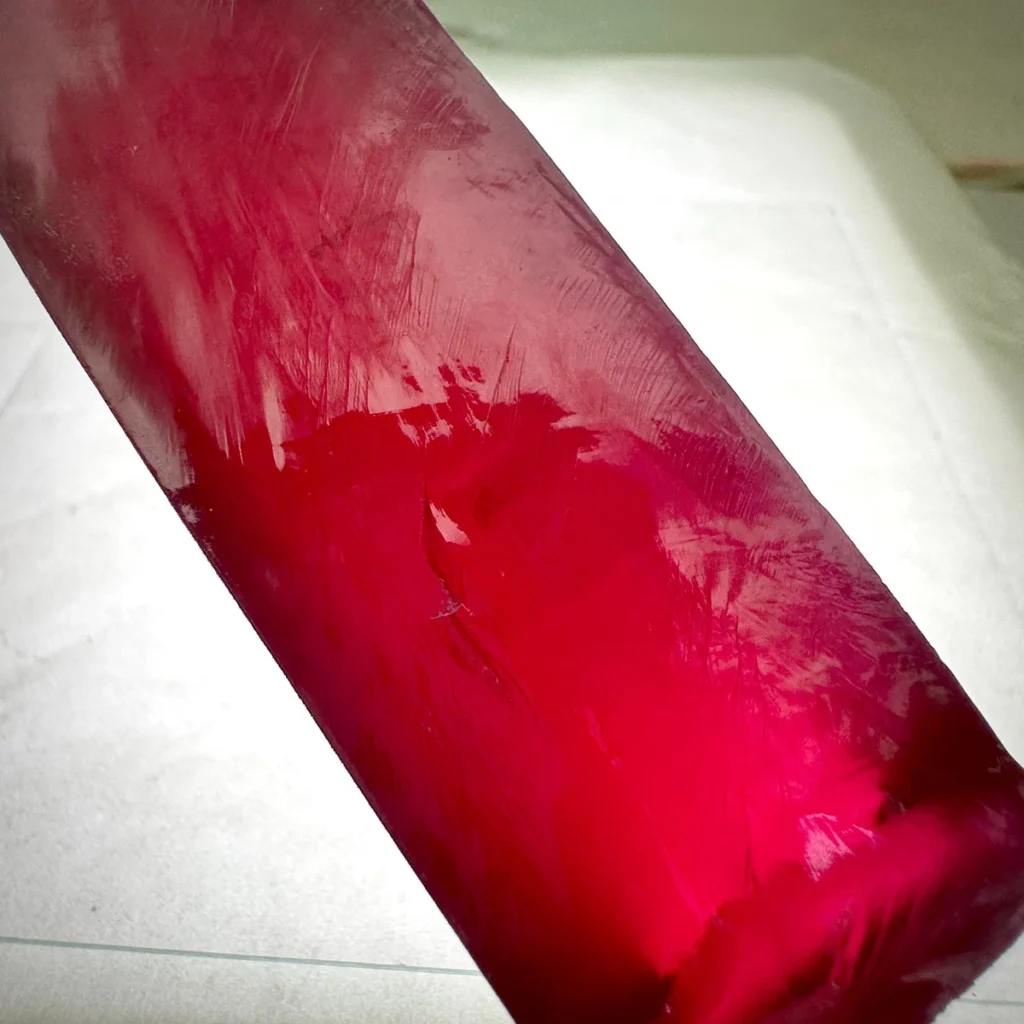
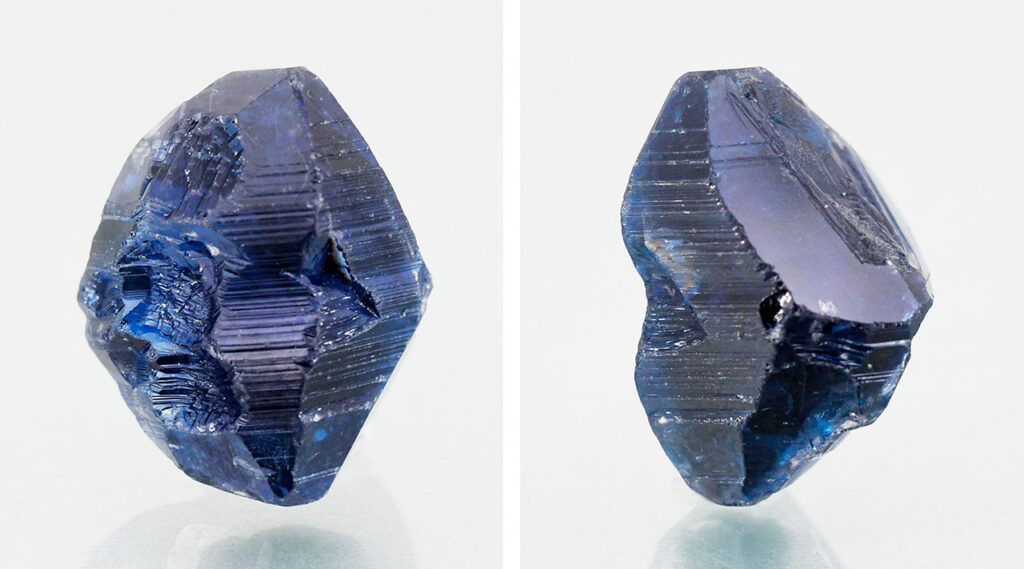
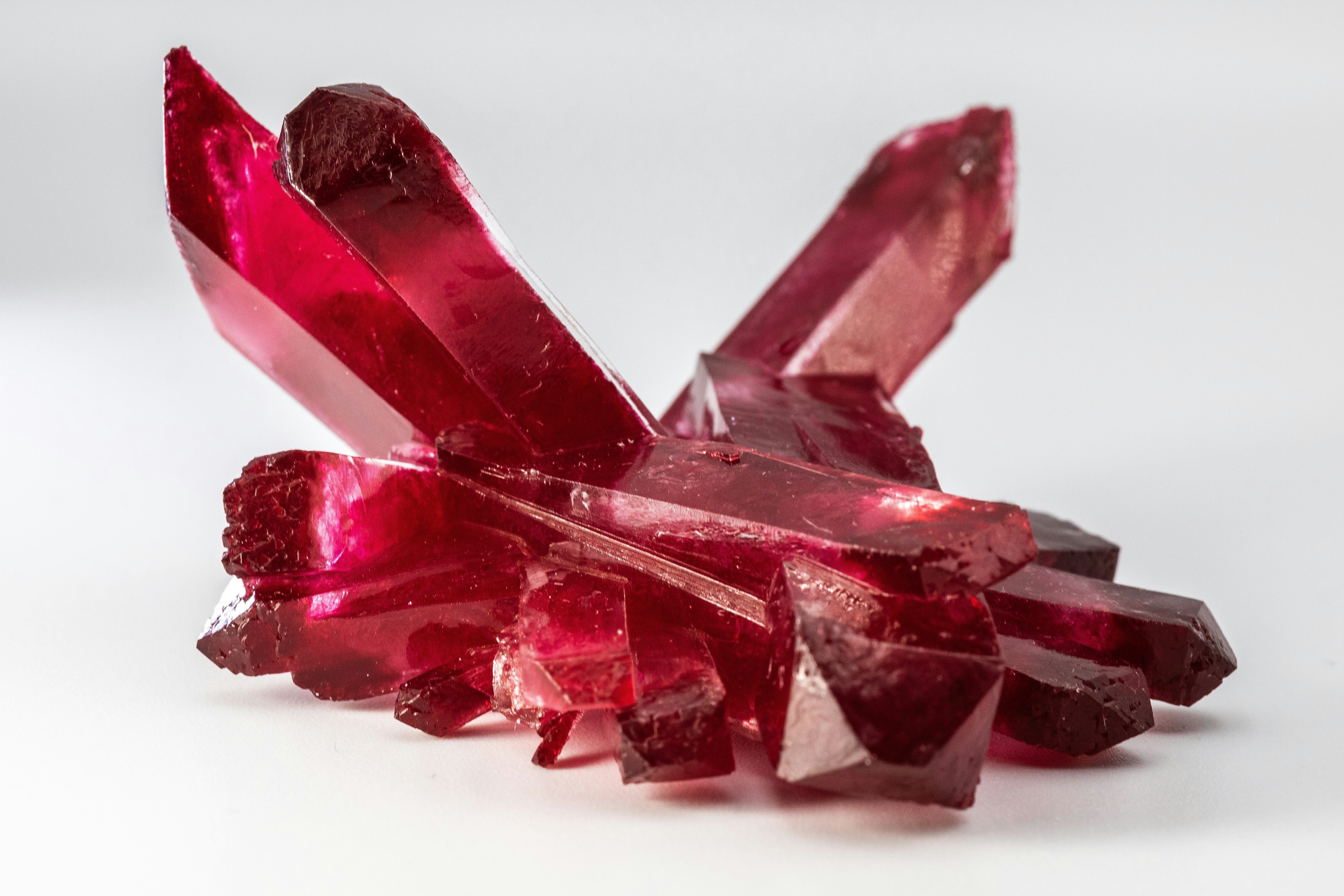
To understand the unique charm of lab grown ruby necklaces, it is essential to start with the core gem material and its raw material foundation. Unlike natural rubies that take millions of years to form deep underground, lab grown rubies are cultivated in a controlled laboratory environment by simulating the high-temperature and high-pressure conditions of natural ruby formation. The entire growth process precisely replicates the physical, chemical, and optical properties of natural corundum rubies, boasting the same Mohs 9 hardness, brilliant luster, and pure chroma as natural rubies. The production of exquisite ruby necklaces first relies on high-quality lab grown ruby rough, which serves as the primary raw material for all finished lab-grown ruby jewelry products.

High-grade lab grown ruby rough is screened and cultivated through strict technical standards, with stable internal crystal structures, fewer natural inclusions, and more uniform color distribution compared to most mined ruby rough. Natural ruby rough often contains unpredictable cracks, color streaks, and impurity spots, resulting in extremely low yield after cutting and polishing, while lab-grown raw materials avoid these natural defects. Professional gem technicians adjust growth parameters to precisely control the iconic pigeon-blood red, vivid cherry red, and rose red tones of rubies, ensuring every batch of rough stones maintains consistent color saturation and clarity. This superior raw material quality lays a solid foundation for crafting delicate, high-grade finished jewelry, eliminating the quality instability that plagues natural ruby products.

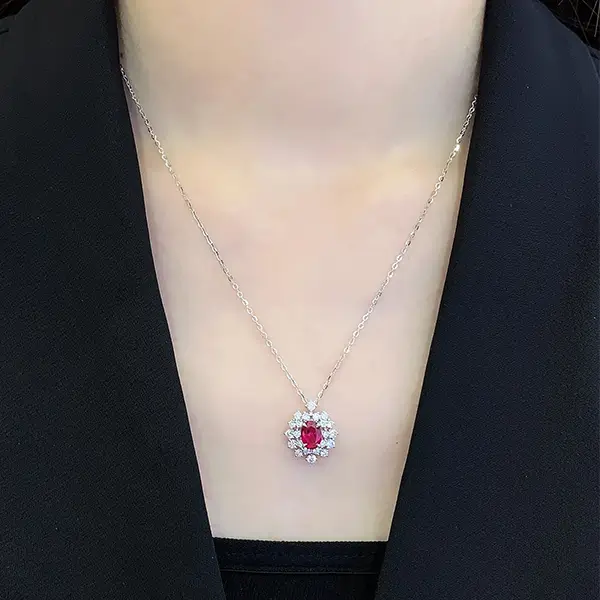
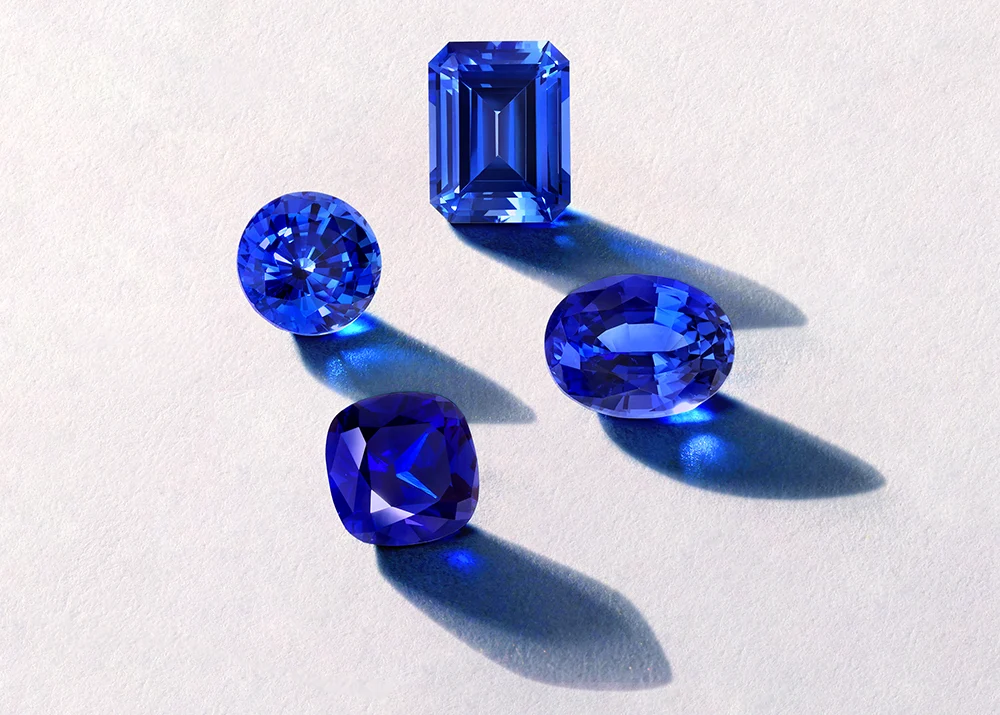
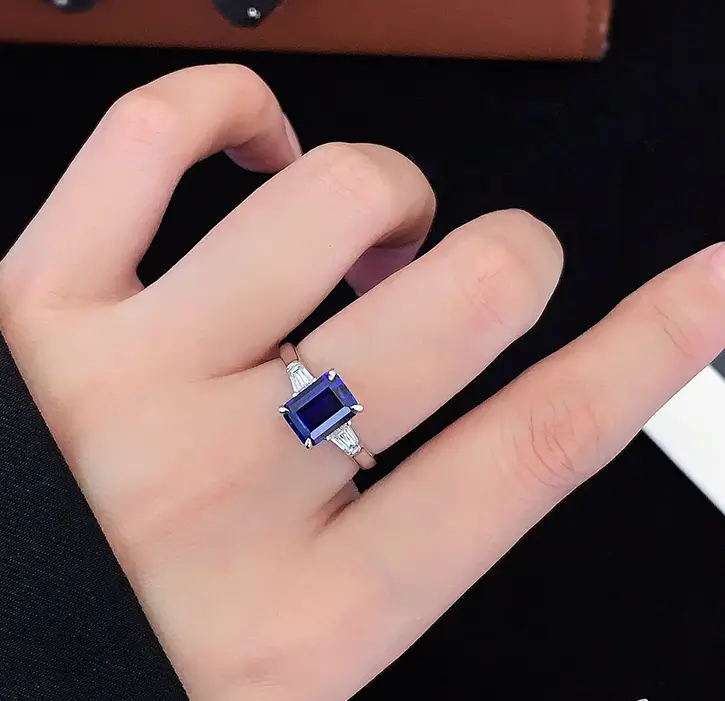
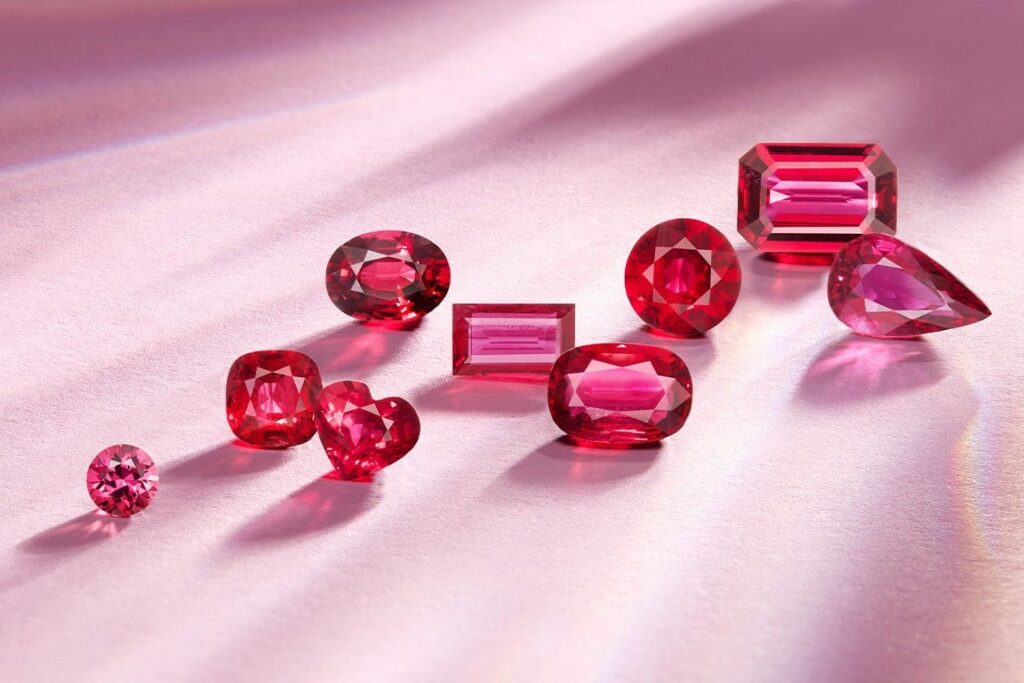
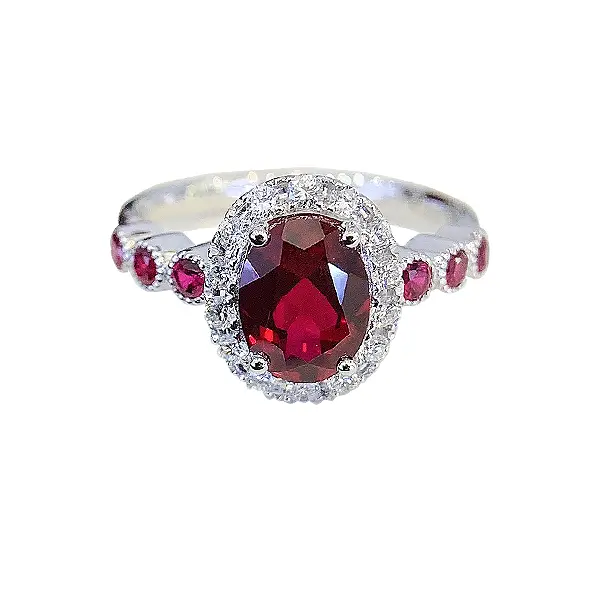
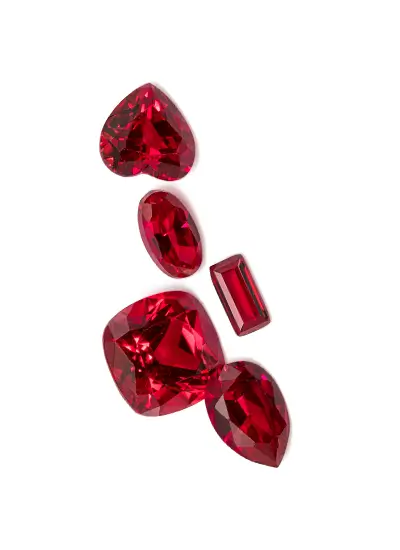
After rigorous cutting, polishing, and shaping of lab grown ruby rough, the finished gemstones are perfectly mounted to create diverse styles of lab grown ruby pendant, the core decorative component of ruby necklaces. Lab grown ruby pendants come in a wealth of cutting shapes, including classic round brilliant cuts, elegant oval cuts, romantic pear cuts, sleek emerald cuts, and trendy cushion cuts, catering to different aesthetic preferences and wearing scenarios. Minimalist single-stone pendants highlight the pure, blazing red luster of rubies, suitable for daily casual and workplace matching; halo-style pendants paired with tiny white diamonds or moissanites enhance the layering and fire of the rubies, making them ideal for dating, banquets, and formal occasions; vintage carved pendants combine ruby’s classical temperament with retro metal craftsmanship, favored by lovers of high-end customized jewelry.

In terms of accessory matching, lab grown ruby pendants are mostly set in high-quality 925 sterling silver, 14K/18K gold, or platinum. These precious metal materials are corrosion-resistant and non-fading, perfectly complementing the noble texture of rubies. The adjustable chain design ensures the necklace fits different necklines and body types, achieving both comfort and ornamental effect. What makes lab grown ruby pendants more competitive than natural ruby pendants is their ultra-high cost performance. On the premise of identical visual effect and physical quality, lab-grown ruby jewelry is about 70% cheaper than natural ruby jewelry of the same specification, allowing more consumers to own high-purity, high-clarity ruby necklaces without excessive economic burden.

Beyond aesthetic and price advantages, lab grown ruby necklaces lead the new trend of sustainable jewelry consumption. Traditional ruby mining often causes severe ecological damage, including deforestation, soil erosion, and water resource pollution, and is accompanied by ethical problems such as irregular mining and labor exploitation. In contrast, the laboratory cultivation process of lab-grown rubies does not damage natural geological resources, with a carbon footprint only one-twentieth of that of natural ruby mining. Every piece of lab grown ruby necklace is a representative of eco-friendly jewelry, conforming to the global sustainable development concept and the modern consumer’s pursuit of ethical and green consumption.

In terms of wearing durability and maintenance, lab grown ruby necklaces perform excellently. With Mohs 9 hardness, second only to diamonds among precious gemstones, lab-grown rubies are highly scratch-resistant and wear-resistant, not easy to be damaged in daily wearing. The stable crystal structure also avoids the problems of color fading and internal crack expansion that easily occur in low-quality natural rubies. Daily maintenance is extremely simple: just avoid long-term contact with chemical cosmetics and strong collisions, and regular gentle wiping can keep the pendant bright and lustrous for a long time, making it suitable for long-term daily wearing and collection.

In the current fine jewelry market, lab grown ruby necklaces have broken the stereotype that red gem jewelry is old-fashioned and expensive. With diverse design styles, stable quality, affordable prices, and eco-friendly attributes, they have become popular choices for daily wear, holiday gifts, and commemorative collections. Whether it is a minimalist daily style for young consumers, a noble and elegant style for middle-aged groups, or a customized exclusive style for gift-giving scenarios, lab grown ruby necklaces can meet personalized needs. From high-quality lab grown ruby rough screening and precision gem cutting to exquisite pendant mounting and fine jewelry finishing, every production link ensures that the final finished product integrates natural gem texture and modern technological advantages, bringing consumers a high-quality jewelry wearing experience that balances beauty, practicality, and value.

Lab Grown Ruby Price Per Carat

Lab-grown rubies have emerged as a game-changing alternative to rare, high-priced natural rubies, winning massive popularity among jewelry designers, bulk retailers, and individual collectors worldwide. Unlike natural rubies that require years of geological formation and costly mining operations, lab-grown rubies replicate the exact chemical composition, crystal structure, hardness, and vivid crimson hue of natural corundum in controlled laboratory environments. This advanced production technology eliminates the scarcity premium and mining-related overheads, making lab grown ruby price per carat far more accessible and stable in the global market in 2026. For both commercial buyers and personal consumers, understanding the pricing rules, bulk purchase advantages, loose stone value, and finished jewelry pricing of lab-grown rubies is essential for making cost-effective and high-quality purchasing decisions.

The core competitiveness of lab-grown rubies lies in their ultra-high cost performance, with their per-carat price only 5% to 10% of natural rubies of equivalent color, clarity, and cut quality. According to 2026 global gemstone market data, the price range of standard lab-grown rubies varies significantly based on grade, size, color saturation, and certification. Low-grade commercial lab-grown rubies with slight color inconsistency and minor inclusions are priced at $50 to $150 per carat, ideal for mass fashion jewelry production. Mid-grade stones with uniform vivid red color, excellent clarity, and precise cutting craftsmanship usually range from $180 to $400 per carat, serving as the mainstream choice for mid-end customized jewelry. High-end pigeon-blood lab-grown rubies with flawless clarity, perfect color saturation, and authoritative GIA or EGL certification can reach $500 to $1,500+ per carat, which are comparable to top natural rubies in visual effect but cost a fraction of the price. In contrast, a high-quality natural pigeon-blood ruby often costs tens of thousands of dollars per carat, creating an overwhelming price gap between the two categories.

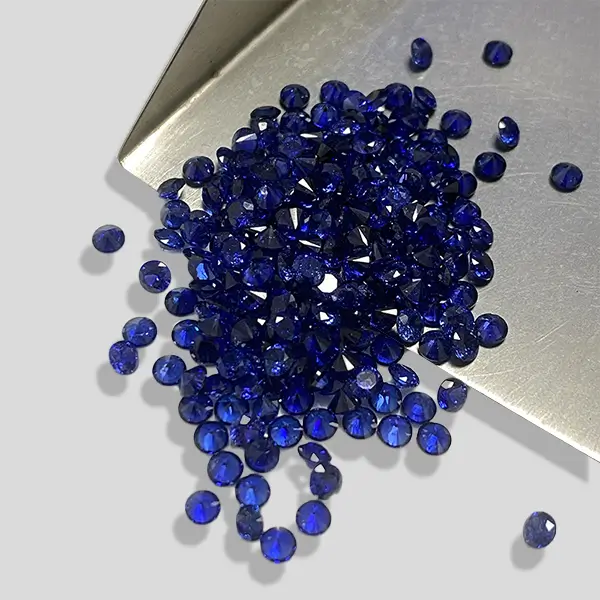
For industry insiders and wholesale merchants, lab grown gems bulk purchasing is the most cost-effective procurement model, which further optimizes the per-carat unit price and improves profit margins. Bulk orders usually start from 5 pieces or 2 carats minimum order quantity, and unit prices drop exponentially with increased order volume. Small-batch bulk purchases of conventional round, oval, and cushion-cut lab-grown rubies can reduce the per-carat cost by 15% to 25%, while large-scale wholesale orders for standardized sizes (3mm to 12mm) can enjoy a 30% to 40% price discount. Bulk-supplied lab-grown rubies feature highly unified color, clarity, and size specifications, which perfectly meet the standardized production needs of jewelry factories and brand retailers. Moreover, reliable bulk suppliers provide stable quality control and batch consistency, avoiding the color and quality differences common in natural ruby batches, greatly improving the efficiency of jewelry design and mass production.

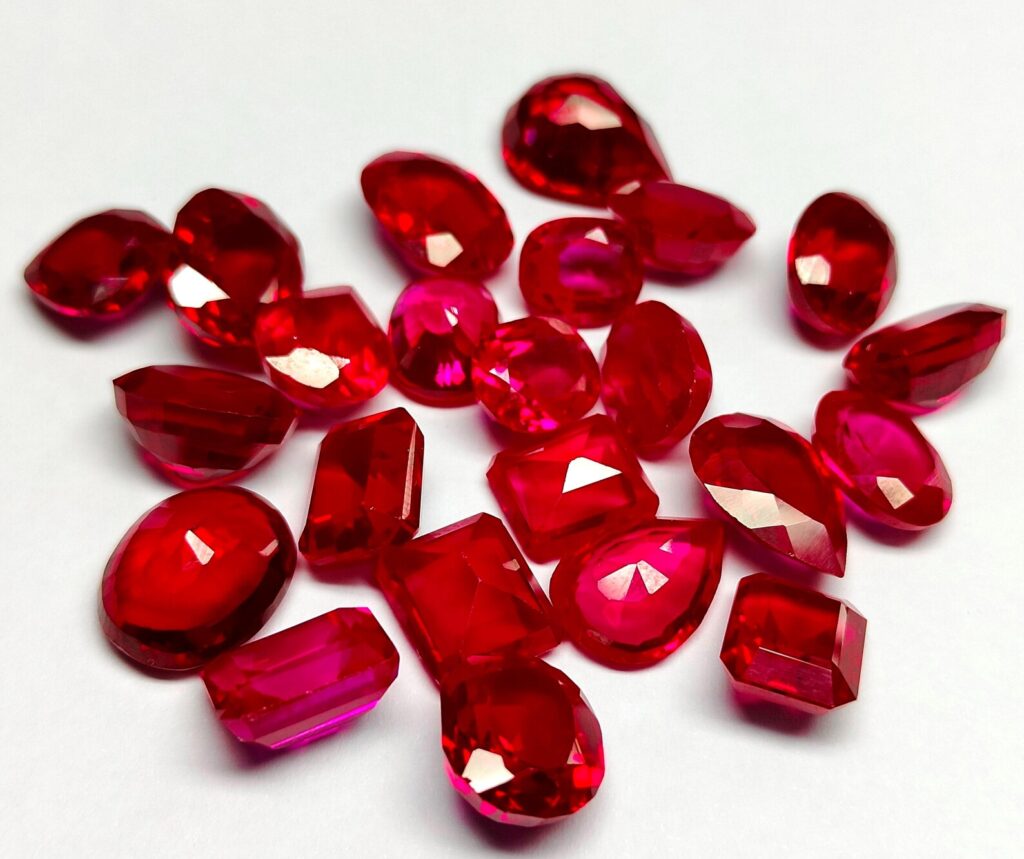
As the fundamental raw material of ruby jewelry,loose lab grown ruby dominates the bulk trading market and personalized customization market. Loose lab-grown rubies are available in diverse cutting styles, including classic round brilliant cut, elegant oval cut, vintage emerald cut, and trendy rose cut, covering all mainstream jewelry design styles. Different from finished jewelry, loose lab-grown rubies allow buyers to freely match metal materials, inlay styles, and accessory designs, bringing maximum design flexibility. For individual jewelry lovers, purchasing loose stones and customizing exclusive jewelry is more affordable than buying finished products. For jewelry artisans and small studio designers, loose lab-grown rubies with complete size and grade options support flexible small-batch creation, effectively reducing inventory pressure and production costs. In the 2026 market, certified loose lab-grown rubies with complete inspection reports are more favored by consumers, as authoritative certification effectively guarantees stone quality and avoids shoddy products in the low-end market.

Among all finished jewelry applications of lab-grown rubies,lab grown ruby necklace gold has become the most popular mainstream style in the consumer market, perfectly balancing luxury texture, daily wearability, and cost performance. Gold, whether classic 14K gold, durable 18K gold, or high-purity solid gold, complements the bright red tone of lab-grown rubies, creating a noble and elegant visual effect that is suitable for daily commuting, party occasions, and holiday gift-giving. The pricing of gold necklaces inlaid with lab-grown rubies is composed of three parts: the per-carat value of the loose ruby, the gold material cost, and the design and processing fee. Thanks to the low unit price of lab-grown rubies, a high-quality 1-carat pigeon-blood lab-grown ruby 18K gold necklace is usually priced between $300 and $800, while a natural ruby gold necklace of the same specification would cost more than $5,000. In addition, merchants can flexibly adjust product positioning through bulk procurement of loose stones, launching entry-level thin-chain small-size ruby gold necklaces and high-end heavy-set large-carat inlaid styles to cover different consumer groups.

Multiple factors continue to stabilize and optimize the pricing system of lab-grown rubies in 2026. The continuous upgrading of flux growth and hydrothermal growth technologies improves the yield and quality consistency of lab-grown rubies, further reducing production costs. Meanwhile, the standardized grading system for lab-grown gemstones has become increasingly mature, making the per-carat pricing more transparent and eliminating arbitrary pricing in the market. Environmentally friendly production concepts also boost market demand, as lab-grown rubies avoid ecological damage and ethical issues caused by natural gem mining, attracting more environmentally conscious brands and consumers. Whether for bulk wholesale procurement, personalized loose stone customization, or exquisite gold necklace finished product consumption, lab-grown rubies maintain irreplaceable advantages in price, quality, and aesthetics.

In summary, the flexible and affordable lab grown ruby price per carat system has reshaped the global ruby jewelry market. Lab grown gems bulk trading supports the sustainable development of the jewelry manufacturing industry with high cost performance, loose lab grown ruby provides diverse creative possibilities for designers and individual consumers, and classic lab grown ruby necklace gold products lead the mainstream consumer trend of affordable luxury jewelry. As production technology continues to progress and market recognition further improves, lab-grown rubies will continue to occupy a larger market share, becoming the primary choice for modern consumers to pursue high-quality ruby jewelry without excessive premium costs.

Synthetic Ruby Manufacture Process

Synthetic rubies have become indispensable functional and decorative gemstones in modern industry and jewelry markets, thanks to their stable physical and chemical properties, pure color saturation, and cost-effective production compared with natural rubies. Different from natural rubies formed through millions of years of geological evolution underground, synthetic rubies are artificially cultivated in controlled laboratory environments, with standardized production procedures and adjustable quality parameters. The mature and systematic industrial ruby manufacturing technology lays the core foundation for large-scale commercial production, covering raw material refinement, crystal growth, post-processing polishing and strict quality inspection, and supports the stable supply of global gemstone and industrial ruby markets.

The entire synthetic ruby manufacture process starts with high-purity raw material preparation, which determines the basic quality of finished rubies. The core raw material is 99.99% high-purity aluminum oxide powder, which removes trace impurities such as iron, silicon and magnesium that may cause color deviation and crystal defects. To form the iconic vivid red tone of rubies, a precise proportion of chromium oxide is added as a colorant, with the doping concentration strictly controlled between 0.1% and 0.3% to avoid dark red or pink color distortion. For industrial-grade rubies used in precision instruments, trace titanium and vanadium elements can be added appropriately to enhance crystal hardness and wear resistance, while jewelry-grade raw materials pursue pure and uniform color without additional doping. All raw materials need to be screened, dried and decontaminated in a dust-free constant-temperature workshop to ensure zero impurity interference in the subsequent crystal growth stage.

Crystal growth is the most critical link in the synthetic ruby manufacture process, and three mainstream mature technologies are widely adopted in commercial production, including Verneuil flame fusion method, Czochralski pulling method and flux growth method, each with unique application scenarios and product advantages. The Verneuil flame fusion method is the most cost-effective and high-yield technology for mass production. It sends mixed raw material powder into an oxyhydrogen flame with a core temperature above 2000°C, melts the powder into fine liquid droplets, and accumulates and crystallizes on a rotating seed crystal rod to form columnar ruby crystal blanks called boules. This method features short production cycles, completing crystal forming within 3 to 5 hours, and is mainly used for mass production of jewelry-grade synthetic rubies.

The Czochralski pulling method is dedicated to manufacturing high-purity and large-size synthetic rubies for industrial precision equipment. The process heats alumina raw materials in a platinum crucible to full melting at ultra-high temperature, immerses a prefabricated high-quality ruby seed crystal in the molten liquid, and drives the seed crystal to rotate and rise slowly at a constant speed. By precisely controlling temperature difference, rotation speed and pulling rate, uniform and flawless large ruby single crystals are grown. Rubies produced by this method have extremely high lattice integrity, stable optical performance and strong pressure resistance, which are widely used in laser devices, watch bearings and precision mechanical accessories.

The flux growth method is a high-end cultivation technology that simulates the natural growth environment of rubies. It dissolves high-purity raw materials in high-temperature molten flux, and realizes slow crystal precipitation and growth through staged cooling. The whole growth cycle lasts 3 to 12 months, and the produced synthetic rubies have natural-like crystal textures, no artificial growth lines, and extremely high clarity and color uniformity. Although the production cost is high and the output is limited, its quality is close to top-grade natural rubies, making it the preferred material for high-end customized jewelry and collection-grade gemstones.

After crystal growth, the synthetic ruby blanks require systematic post-processing to remove defects and shape finished products. First, the rough boules are inspected to screen out cracked, discolored and defective blanks, and qualified blanks are subjected to annealing treatment at high temperature to eliminate internal stress generated during growth and prevent subsequent cracking. Then, according to different application needs, the blanks are cut, shaped and finely polished. Industrial rubies are processed into regular geometric parts such as sheets, columns and bearings with precise dimensional tolerance, while jewelry-grade rubies are cut into classic shapes including round brilliant, oval, cushion and emerald cuts to maximize light refraction and fire color. Finally, all finished products undergo multi-index testing, including color grading, clarity detection, hardness test and internal defect scanning, to classify products into industrial grade, commercial jewelry grade and high-end collection grade.

As the synthetic ruby industry matures, professional lab grown gems company continuously optimizes manufacturing processes and quality control systems to balance production efficiency and product quality. Leading enterprises introduce fully automated constant-temperature growth equipment, intelligent raw material proportioning systems and precision optical detection instruments, realizing standardized and intelligent whole-process production. They also customize production solutions according to customer demands, such as preparing ultra-hard industrial rubies for industrial equipment and color-customized high-brightness rubies for jewelry brands, covering diversified market demands from industrial supporting to consumer jewelry.

In terms of commercial circulation, standardized and mature manufacturing processes support large-scale and standardized synthetic ruby jewelry wholesale business worldwide. Mass-produced flame-fused synthetic rubies with stable quality and affordable prices occupy the mainstream of the civilian jewelry wholesale market, suitable for daily wear jewelry sets, fashion accessories and gift customization. High-end flux-grown and pulling-method rubies target the mid-to-high-end jewelry wholesale market, providing high-quality gemstone materials for brand jewelry customization and high-end retail. Compared with natural ruby jewelry with scarce resources and sky-high prices, lab-grown ruby jewelry has stable supply, controllable quality and high cost performance, which not only meets consumers’ pursuit of beautiful gemstones but also conforms to the environmentally sustainable development concept of the modern gemstone industry.

In conclusion, the synthetic ruby manufacture process has formed a complete industrial chain from raw material refinement, intelligent crystal growth, precise post-processing to graded commercial circulation. With the continuous upgrading of industrial technology, lab-grown rubies have broken the limitations of natural gemstone resource scarcity. Supported by professional lab grown gems companies, standardized industrial ruby manufacturing technologies and prosperous synthetic ruby jewelry wholesale markets, synthetic rubies are gaining increasing popularity in industrial manufacturing, fashion jewelry and high-end collection fields, and will maintain a steady growth trend in the global gemstone market in the future.

Ruby Polishing Elevate the Radiance of Lab-Grown Ruby Jewelry

Rubies have long been celebrated as one of the most captivating gemstones in the jewelry world, symbolizing passion, nobility, and eternal vitality. Unlike natural rubies that form over millions of years under extreme geological conditions, modern gemology has perfected the craft of cultivating high-quality rubies in controlled laboratory environments. These lab-grown rubies inherit the identical physical, optical, and chemical properties of natural rubies, boasting the same vivid crimson hue, excellent hardness of 9 on the Mohs scale, and brilliant light refraction. However, even the finest lab-grown ruby rough stones cannot display their full glamour without exquisite and professional ruby polishing techniques. Polishing is the core final process that transforms dull, unrefined ruby blanks into lustrous, eye-catching gemstones suitable for fine jewelry setting, directly determining the texture, transparency, and market value of finished ruby accessories.

The science behind ruby polishing lies in targeted surface refinement tailored to the gemstone’s unique structural characteristics. As a member of the corundum family, rubies feature dense and rigid crystal textures, which means ordinary polishing abrasives fail to achieve a flawless finish. Professional ruby polishing exclusively adopts graded diamond abrasives, ranging from coarse grit for preliminary grinding to ultra-fine micron-grade diamond paste for final buffing. The entire process follows a strict progressive workflow: first, rough grinding removes surface blemishes, tiny scratches, and irregular edges left by cutting and molding; then fine sanding smooths the stone’s surface to eliminate uneven textures; finally, precision polishing enhances light reflection and refraction, endowing the ruby with a mirror-like glossy finish. Throughout the process, constant water cooling is essential to prevent high friction heat from damaging the ruby’s crystal structure and causing color fading or internal micro-cracks.

In the contemporary fine jewelry industry, lab-grown ruby accessories have become a mainstream choice for consumers pursuing beauty, cost-effectiveness, and environmental sustainability. Among the most popular styles, lab grown ruby necklace and lab created ruby earrings stand out as timeless versatile pieces favored by fashion enthusiasts and jewelry collectors alike. Unlike bulky ruby bracelets or rings that bear frequent friction and collision, necklaces and earrings are displayed more prominently, making their surface luster and polishing precision particularly critical to their overall aesthetic appeal. A well-polished lab-grown ruby can capture ambient light from all angles, producing a vivid color saturation and dazzling fire that makes daily wear more elegant and ceremonial, while poorly polished rubies will appear dull, with blurred facet lines and weakened light transmission, greatly compromising the jewelry’s delicate texture.

Polishing standards differ subtly for different styles of lab-grown ruby jewelry to adapt to their wearing scenarios and design features. For lab grown ruby necklace pieces, most designers prefer large faceted round or oval ruby cuts. The polishing process focuses on optimizing the symmetry of each facet and the smoothness of facet junctions. Precise facet polishing ensures that the pendant ruby can refract natural light fully when swinging with body movement, creating a layered and dynamic luminous effect. Whether paired with minimalist silver chains, luxurious gold settings, or delicate diamond inlaid frames, professionally polished lab-grown ruby necklaces maintain a steady high-gloss texture, suitable for daily casual wear, workplace styling, or formal occasion matching.

For lab created ruby earrings, the polishing requirements are more refined and meticulous. Earrings are worn close to the face, requiring extremely smooth and flawless ruby surfaces without any tiny polishing marks or uneven gloss. Most earring rubies adopt small cabochon or princess cuts, which demand ultra-fine diamond paste for final polishing to achieve a soft yet bright luster. Polishers also pay special attention to edge rounding treatment during processing, not only to avoid sharp corners scratching the skin but also to ensure uniform light reflection on all edges of the ruby. Exquisitely polished lab created ruby earrings can brighten facial complexion subtly, with the rich red tone of rubies complementing all skin tones, delivering a low-key luxurious temperament for any wearer.

Beyond shaping and brightening, standardized ruby polishing also plays a key role in improving the durability and wear life of lab-grown ruby jewelry. Although rubies possess superior hardness, unpolished rough surfaces have tiny porous textures that easily accumulate dust, sweat, and cosmetic residues in daily wear. Over time, these impurities will corrode the gemstone surface, leading to luster loss and dim color. Professional polishing seals the ruby’s surface with a smooth compact texture, effectively resisting dirt adhesion and daily wear abrasion. Additionally, regular professional re-polishing is an essential maintenance step for long-term worn ruby jewelry. After months or years of wear, subtle scratches and oxidative dullness are inevitable, and secondary polishing can completely restore the ruby’s original bright luster without damaging the gemstone’s inherent quality or size.

How Are Lab Grown Rubies Made

Lab-grown rubies have emerged as a dominant alternative to natural rubies in the global gemstone market, renowned for their identical physical, optical, and chemical properties as natural stones, alongside superior affordability and stable quality. Unlike natural rubies that form deep within the earth over millions of years under extreme temperature and pressure, lab-grown rubies are engineered through controlled scientific processes that replicate nature’s geological mechanisms in a compressed timeframe. With the booming demand for affordable high-quality gemstones in jewelry, craft, and industrial fields, professional gem manufacturers have optimized production workflows to support large-scale supply, making synthetic rubies bulk production and ruby lab created wholesale services mainstream in the industry.

The foundational principle of all lab-grown ruby production is simulating the formation conditions of natural corundum rubies. Pure corundum (aluminum oxide) is colorless, and the vivid red hue of rubies comes from trace chromium elements doped into the corundum crystal lattice. All standardized synthetic ruby manufacturing strictly follows this scientific formula, with precise control of raw material purity, temperature, pressure, and growth time to ensure consistent color, clarity, and hardness of finished stones. Currently, three mature industrial manufacturing techniques are widely adopted for commercial production: the Verneuil flame fusion method, the flux growth method, and the hydrothermal method, each with unique advantages for bulk production and customized gem grade output.

The Verneuil flame fusion method is the most widely used and cost-effective technology for mass synthetic ruby production, accounting for over 80% of global bulk ruby supply. This high-efficiency process is ideal for large-scale industrial manufacturing and supports stable wholesale inventory supply. The entire workflow starts with raw material purification: manufacturers select high-purity alumina powder (99.99% purity) as the base material, then mix in a precise proportion of chromium oxide powder (0.05% to 0.3% by weight) to produce the classic ruby red color. Impurity removal is critical at this stage, as even tiny trace impurities will cause color distortion or internal inclusions, affecting the gem grade and commercial value of finished products.

After raw material blending, the homogeneous powder mixture is loaded into a vibrating feeder of a Verneuil furnace. The furnace generates an oxyhydrogen flame with a core temperature exceeding 2000°C, which is sufficient to melt the alumina-chromium composite powder completely. As the vibrating feeder uniformly drops the powder into the high-temperature flame, the powder melts into tiny molten droplets that fall slowly onto a temperature-controlled rotating pedestal. The pedestal maintains a relatively low and stable temperature, enabling the molten droplets to cool and crystallize gradually. With continuous powder feeding and slow downward adjustment of the pedestal, a teardrop-shaped ruby crystal boule takes shape continuously. The whole crystallization process for a single boule takes 4 to 8 hours, and each boule can be processed into dozens of cuttable ruby rough stones, perfectly meeting the needs of synthetic rubies bulk production.

For high-end market demand that requires ultra-high clarity and natural-like internal texture, manufacturers adopt the flux growth method, a low-speed, high-precision manufacturing technique. Different from the high-temperature rapid melting of the flame fusion method, this process dissolves high-purity alumina and chromium oxide into a high-temperature molten flux solvent composed of metal oxides. The mixed solution is placed in a sealed crucible, and the temperature is slowly reduced at a controlled rate over several months. The slow cooling process allows ruby crystals to precipitate and grow stably in the flux solvent, forming crystals with minimal inclusions and optical characteristics almost indistinguishable from top-grade natural rubies. Though this method has a longer production cycle and lower single-batch output, it produces premium-grade lab-created rubies that cater to high-end jewelry wholesale markets, complementing the mass-produced flame fusion rubies to form a complete product matrix for ruby lab created wholesale services.

The hydrothermal method is another top-tier manufacturing technology that fully replicates the earth’s natural ruby growth environment. It simulates the high-temperature and high-pressure hydrothermal conditions of underground gem formation in a closed autoclave. Manufacturers place corundum seed crystals and prepared mineral solution in the autoclave, then set stable temperature gradients and pressure parameters. Under long-term constant temperature and pressure, ruby crystals grow layer by layer on the seed crystals. Rubies produced by this method have the most natural internal growth lines and texture, making them the highest-value synthetic rubies in the commercial market. Due to high equipment costs and strict parameter control requirements, hydrothermal rubies are mainly supplied as customized high-end wholesale products, distinguishing them from conventional bulk synthetic ruby supplies.

Post-processing is an indispensable link in the synthetic ruby manufacture process, determining the final appearance and commercial grade of lab-grown rubies. After crystal growth is completed, the raw ruby boules and crystals are first inspected and sorted by size, color saturation, and clarity to eliminate defective products with cracks, color spots, or excessive inclusions. Qualified rough stones then undergo precise cutting, shaping, and fine polishing via professional gem processing equipment. Standard cutting specifications including round brilliant, oval, cushion, and emerald cuts are adopted for bulk products to improve universality for jewelry inlay, while customized cutting is available for high-end wholesale orders. Finally, finished rubies undergo strict quality testing, including hardness verification, refractive index detection, and color grading, to ensure all products meet international gemstone standards.

The maturity of modern manufacturing technology lays a solid foundation for standardized bulk production and wholesale trading of lab-grown rubies. Compared with natural rubies that suffer from scarce resources, unstable output, and fluctuating prices, synthetic rubies can achieve continuous, large-scale standardized production through precise industrial process control. Manufacturers can flexibly adjust production parameters to produce rubies of different colors, sizes, and grades, covering low-cost industrial-grade rubies for laser instruments and watch accessories, as well as high-gem-grade rubies for fine jewelry. This flexible production mode enables ruby lab created wholesale suppliers to provide diversified bulk solutions for global jewelers, processing factories, and brand retailers.

In terms of market advantages, synthetic rubies bulk supply features stable quality, short production cycles, and competitive pricing, which effectively solves the problems of shortage and high cost of natural high-quality rubies. With the continuous optimization of the synthetic ruby manufacture process, modern lab-grown rubies have achieved zero difference from natural rubies in core gemological properties, while being more environmentally friendly and sustainable. No mountain mining or ecological damage is involved in laboratory production, making lab-created rubies a popular eco-friendly gem choice in the global market. As consumer demand for cost-effective, high-quality colored gemstones continues to rise, standardized bulk production and professional wholesale distribution will further promote the popularization of lab-grown rubies in global jewelry and industrial markets.

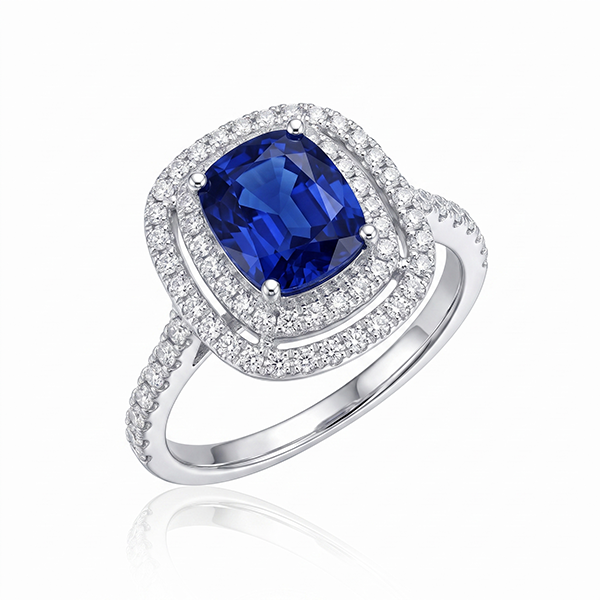
What Are the Best Man Made Sapphires?

High-quality man-made sapphires replicate the exact chemical composition, physical hardness, and optical properties of natural ones. Boasting a Mohs hardness of 9, vivid color saturation, flawless clarity, and affordable pricing, these lab-crafted stones have reshaped the global sapphire market.

First and foremost, the best man-made sapphires are classified by color and craftsmanship, with each category catering to distinct market demands. Classic blue lab-grown sapphires remain the most sought-after variant, replicating the iconic royal blue and cornflower blue tones of premium natural Kashmir and Ceylon sapphires. Top-grade blue man-made sapphires feature uniform color distribution without color zoning or dark inclusions, a flaw that is extremely common in natural sapphires. Beyond traditional blue, fancy-colored lab-grown sapphires have become a rising star in the high-end market, including padparadscha sapphires with unique orange-pink hues, vivid yellow sapphires, elegant pink sapphires, and rare color-changing sapphires that shift tone under different lighting conditions. These fancy variants are far more accessible in lab-grown form, as natural fancy sapphires are extremely scarce and priced out of most consumer budgets.

The quality of man-made sapphires is fundamentally determined by their growth technology, which also distinguishes premium products from inferior synthetic stones. The two dominant mature technologies in the industry are the Verneuil flame fusion method and the hydrothermal growth method, each producing sapphires with unique advantages. Verneuil method sapphires are the most widely produced and cost-effective option, featuring high clarity, stable color, and fast production cycles, making them ideal for mass jewelry production and bulk wholesale. Hydrothermal man-made sapphires, on the other hand, simulate the high-temperature and high-pressure geological environment of natural sapphire formation more accurately. Their internal crystal structure is almost identical to natural sapphires, with subtle natural-like inclusions that enhance their authenticity, making them the top choice for high-end custom jewelry and collection-grade gemstones.

When evaluating the best man-made sapphires, industry insiders focus on four core criteria: color grade, clarity, cut precision, and crystal stability. Premium lab-grown sapphires strictly follow international GIA grading standards, achieving AAA and AAAA top grades with zero visible inclusions to the naked eye. Professional cutting techniques, including round brilliant cut, oval cut, cushion cut, and emerald cut, maximize the stone’s light refraction and fire, delivering a more brilliant luster than most natural sapphires. Additionally, high-quality man-made sapphires exhibit excellent durability and color fastness, never fading or deforming under daily wear, which outperforms many low-grade natural sapphires with brittle textures.

Behind every high-quality man-made sapphire are professional manufacturers that prioritize technological innovation and quality control. Leading companies that create lab created gemstones invest heavily in R&D to optimize growth formulas and production processes, effectively eliminating common defects like bubble inclusions, color distortion, and crystal cracks found in low-quality synthetic sapphires. These professional manufacturers maintain standardized production lines, from raw material purification and crystal growth to precision cutting, polishing, and quality inspection. They also support customized production, covering diverse sizes, shapes, colors, and carat weights to meet the personalized needs of high-end jewelry brands, custom designers, and bulk wholesalers. Many top manufacturers also provide authoritative gemstone certification reports for each product, ensuring traceability and market credibility.

For industry retailers, jewelry processors, and bulk buyers, lab grown sapphire wholesale has become a cost-effective and profitable business model in 2026. Compared to purchasing natural sapphires, wholesale lab-grown sapphires reduce procurement costs by 60% to 80% while maintaining top visual quality, greatly improving the profit margin of finished jewelry products. The wholesale market covers complete product matrices, ranging from small carat loose stones for daily jewelry to large carat premium stones for engagement rings and high-end ornaments. Reliable wholesale suppliers offer flexible order policies, including mixed batch customization, stable supply cycles, and global logistics support, solving the problems of insufficient inventory and unstable quality that plague natural gemstone procurement.

Another key advantage of the best man-made sapphires is their ethical and environmentally friendly attributes. Natural sapphire mining often involves large-scale land excavation, resource waste, and potential labor ethics issues. In contrast, lab-grown sapphire production consumes controllable energy, produces no environmental pollution, and requires no mineral resource exploitation, aligning with the global sustainable development trend and the growing consumer demand for ethical jewelry. This attribute has made premium man-made sapphires the preferred choice for mainstream jewelry brands worldwide, further expanding their market share.

In summary, the best man-made sapphires are not limited to single-color blue variants but include full-spectrum high-clarity fancy-colored sapphires produced via mature growth technologies. Supported by professional companies that create lab created gemstones with standardized quality control, these stones balance beauty, durability, affordability, and ethics. Meanwhile, the mature lab grown sapphire wholesale ecosystem lowers the market access threshold for businesses, driving the widespread application of high-quality lab-grown sapphires in mainstream jewelry, custom accessories, and luxury collections. As gemstone cultivation technology continues to advance, man-made sapphires will further bridge the quality gap with top natural sapphires, becoming the core development direction of the global colored gemstone industry.

When Did Lab Created Sapphires Begin?

Sapphires have long been cherished as one of the most prestigious precious gemstones in the world, celebrated for their stunning luster, exceptional hardness, and diverse color spectrum ranging from classic royal blue to vibrant pink, yellow, and padparadscha. For centuries, people could only obtain sapphires through traditional mining, which was limited by scarce mineral resources, complex mining procedures, and high market prices. However, with the advancement of modern material science and gemstone synthesis technology, lab created sapphires have emerged as a revolutionary alternative, reshaping the global sapphire jewelry market and making this exquisite gemstone accessible to ordinary consumers. To fully understand the popularity of modern synthetic sapphires, it is essential to trace their origin, analyze their unique price characteristics, and clarify practical purchasing approaches.

The history of lab created sapphires dates back to the early 20th century, marking a pivotal breakthrough in artificial gemstone synthesis. In 1902, renowned French chemist Auguste Verneuil successfully invented the flame fusion method, also known as the Verneuil process, which realized the stable commercial production of synthetic corundum—the mineral base of sapphires and rubies. This is the official starting point of mass-produced lab created sapphires in human history. The core principle of this technology is to melt high-purity alumina powder through an oxyhydrogen flame at an ultra-high temperature of over 2000 degrees Celsius, then slowly cool and crystallize the molten raw materials to form complete sapphire crystal boules. By adjusting trace metal elements in the raw materials, technicians can replicate all natural sapphire colors, including rare color-changing sapphires and star sapphires.

In the early stage after its invention, lab created sapphires were not widely used in jewelry. Instead, they were mainly applied in industrial fields, such as precision watch lenses, scientific instrument windows, optical components, and laser equipment, relying on their excellent hardness, wear resistance, and light transmission. It was not until the 1940s and 1950s that American enterprises represented by Linde Air Products optimized the Verneuil process and launched large-scale production of jewelry-grade lab created sapphires, officially bringing them into the consumer jewelry market. In the following decades, new synthesis technologies including hydrothermal method and flux growth method were continuously developed, further improving the clarity, color saturation, and crystal integrity of lab created sapphires, narrowing the gap with natural sapphires in appearance and physical properties.

One of the most attractive characteristics of synthetic gemstones in the consumer market is their cost advantage, and why are lab created sapphires so cheap has become the most frequently asked question by jewelry lovers. The fundamental reason lies in the huge differences in production logic, resource costs, and labor consumption between lab created sapphires and natural sapphires. Natural sapphires are formed underground through hundreds of millions of years of geological changes, with extremely rare reserves. The mining process requires large-scale mechanical equipment, massive human resources, and long-term exploration and screening, while only a tiny proportion of mined rough stones can be polished into high-quality jewelry-grade finished products. In addition, natural sapphire mining is affected by geographical restrictions, policy regulations, and supply chain fluctuations, resulting in high marginal costs and premium market pricing.

In contrast, lab created sapphires are produced in a controlled laboratory environment without relying on scarce natural mineral resources. The entire growth cycle of a lab-grown sapphire only takes 2 to 6 months, which is extremely efficient compared with the geological formation of natural sapphires. Modern industrial production realizes standardized and batch manufacturing, which greatly reduces unit production costs. Moreover, laboratory synthesis can effectively avoid the waste rate of natural rough stones, and technicians can precisely control crystal quality, color, and clarity in advance, ensuring that most finished products meet jewelry-grade standards. Meanwhile, lab created sapphires eliminate the high intermediate links of natural gemstones such as mine procurement, international transportation, and multi-level dealer markup. They also avoid the ethical risks of illegal mining and child labor associated with natural gemstone mining, forming a more cost-effective and transparent industrial chain. All these factors jointly make lab created sapphires maintain a price advantage of 70% to 90% lower than natural sapphires of the same quality.

As the recognition of lab created sapphires continues to rise, more consumers are willing to choose them for daily wear jewelry, engagement rings, and decorative accessories, making where to buy lab created sapphire a core demand in the gemstone consumption market. At present, consumers have multiple reliable purchasing channels covering offline physical stores and online professional platforms, meeting different needs of quality inspection, budget control, and shopping convenience. Offline channels mainly include formal brand jewelry stores and professional gemstone specialty stores in major shopping malls. Regular physical stores provide real product display, allowing consumers to observe the sapphire’s color, cut, and luster intuitively. Most formal merchants will also provide official gemstone identification certificates, supporting on-site inspection and after-sales maintenance services, which is suitable for consumers who value physical experience and quality assurance.

Online purchasing channels are more diverse and cost-effective, becoming the mainstream choice for young consumers. Professional gemstone e-commerce platforms, official brand flagship stores, and qualified cross-border jewelry platforms concentrate a wealth of lab created sapphire products, covering different sizes, colors, cuts, and styles from loose stones to finished jewelry. Most standardized online merchants will display detailed product parameters, synthesis technology, and authoritative identification reports, and support nationwide inspection and return services. In addition, professional customized jewelry studios also provide lab created sapphire customization services, which can design exclusive ring settings, pendants, and earrings according to consumers’ preferences and budgets, with higher flexibility in style and price.

It is worth noting that when purchasing lab created sapphires, consumers should prioritize merchants with formal qualifications and authoritative gemstone certification to avoid inferior products processed by low-end technology. Although lab created sapphires are artificially synthesized, high-quality products are completely consistent with natural sapphires in physical and chemical properties, including hardness, density, and refractive index, and can pass professional gemological testing. With the continuous upgrading of synthesis technology and the improvement of the market system, lab created sapphires have broken the monopoly of natural sapphires in the high-end gemstone market, providing consumers with a more sustainable, affordable, and diversified choice.

From the initial industrial synthetic materials in 1902 to the popular mainstream jewelry gemstones today, lab created sapphires have experienced more than a century of technological iteration and market development. Their unique advantages of stable quality, low price, environmental protection, and ethical purity make them increasingly favored by modern consumers. For ordinary jewelry lovers who pursue beauty without excessive premium, lab created sapphires are undoubtedly the most cost-effective gemstone choice in the current market.

Digging Into the Popular Color of Lab Grown Blue Sapphire

Within today’s lab‑created colored‑gem trade, jewelers, wholesale buyers and independent designers keep close eyes on color performance, because color directly governs market acceptance, retail turnover and end‑user willingness to pay. When talking about popular color of lab grown blue sapphire, multiple blue variants compete for market share, yet cornflower blue consistently claims the leading position, followed by royal blue, rich medium navy and soft sky‑blue variants. Each shade delivers distinct optical behavior under studio lighting, indoor ambient light and natural daylight, which matters greatly for finished jewelry display and customer evaluation.

Lab‑grown blue sapphires mostly come from flame‑fusion and hydrothermal growth workflows. Technicians tune titanium and iron dopant concentrations inside growth chambers to precisely manipulate hue, saturation and tone, avoiding the random color zoning, patchy tint and natural mineral inclusions commonly seen in mined sapphire rough. Natural Kashmir cornflower blue sapphire is extremely scarce, with most available specimens carrying visible internal flaws and wildly inconsistent color saturation; lab‑grown counterparts reproduce that desirable velvety, medium‑toned blue at scale, without the supply limitations of geological deposits.

Cornflower blue sits at medium saturation, not overly dark nor pale washed‑out. It shows soft velvety glow rather than harsh glare. Under warm indoor lighting it leans toward gentle blue‑violet hints; under bright daylight it opens into clean floral‑blue tones. This light‑adaptable visual trait makes it versatile across mounting styles. It pairs equally well with white gold, yellow gold, rose gold and platinum settings, fitting engagement rings, stud earrings, tennis bracelets, pendants and statement cocktail pieces. For retail jewelry lines, such wide compatibility lowers design risk and expands target consumer groups.

Royal blue ranks as the second‑most‑loved option among lab‑grown blue sapphire color choices. It delivers deeper, more saturated blue with subtle violet undertones, favored for high‑end statement jewelry aiming for solemn luxury appeal. Sky‑blue lab‑grown sapphires offer lighter, airy tones, largely used for casual everyday fashion pieces targeted toward younger buyers. Even so, sky‑blue pieces seldom reach the same overall market volume as cornflower‑blue stock.

Wholesale buyers assess the popular color of lab grown blue sapphire not only by visual beauty but also by batch consistency. In bulk procurement scenarios, buyers need successive stones to match closely in hue and saturation for multi‑stone layouts like halo rings and layered necklaces. Lab production enables repeatable color control: well‑managed production runs output stones holding nearly identical color parameters, which cannot be reliably guaranteed with mined sapphire lots. Poor batch color consistency creates heavy after‑sales pressure for retailers, as mismatched stones in one jewelry set will trigger customer returns and inventory losses.

Color grading for lab‑grown blue sapphire does not copy natural sapphire standards completely. Gem labs emphasize tone range, saturation level, grey or black modifier presence and visible zoning. Too much grey modifier dulls the stone and reduces commercial value; excessive dark modifier pushes tone too deep so the stone looks lifeless under ordinary indoor light. The most commercially competitive lab grown cornflower blue sapphire maintain medium tone, moderate saturation and minimal grey modifiers, producing that sought‑after velvety visual effect.

Consumer preference also shifts with global aesthetic trends. Over recent years, low‑key luxury aesthetics gain momentum, pushing overly‑dark saturated royal blue slightly down in market share, while soft, elegant cornflower‑blue gains more traction. Younger generations of jewelry shoppers prioritize balanced beauty, daily wear practicality and ethical sourcing. They avoid overly dramatic dark gem shades that only suit special‑occasion use, leaning toward gemstones wearable both for office work and evening gatherings.

Price structure further explains market preference for this shade. Top‑grade natural cornflower‑blue sapphires command astronomical pricing driven by resource scarcity. Comparable lab‑grown material carries a fraction of that cost, allowing jewelers to launch accessible mid‑priced fine‑jewelry collections without sacrificing visual quality. For small‑scale designers and boutique retailers, this opens new product lines that were previously financially unreachable.

When sourcing, purchasers should distinguish true cornflower‑blue lab‑grown sapphire from near‑blue variants mixed with heavy grey or black secondary hues. Many low‑cost bulk lots sell stones labelled cornflower‑blue yet carry obvious grey undertones; those will perform poorly under retail display lighting and hurt brand reputation. Reliable suppliers provide consistent reference samples so buyers can cross‑check incoming bulk goods against master color samples before shipment.

Moving forward, lab‑growth technology will keep improving fine color tuning capabilities. New market shades may emerge, yet cornflower blue will keep its dominant status as the popular color of lab grown blue sapphire, supported by balanced optical traits, wide design compatibility, scalable manufacturing and favorable price positioning. For industry players, understanding color characteristics, grading pitfalls and real‑world lighting performance of lab‑grown blue sapphire directly supports better product planning, inventory control and long‑term commercial returns.

Debunking Fake Myths and Exploring Leading Lab Grown Gemstone Companies

Consumers have clung to a common misconception that man-made gemstones are equivalent to fake jewelry, with endless questions centering on whether lab created sapphire means fake in the global jewelry market. This misunderstanding has hindered many buyers from accessing high-quality, affordable, and sustainable gem alternatives, while also obscuring the professional development and technological breakthroughs of the modern synthetic gem industry. To resolve this confusion thoroughly, it is essential to distinguish between fake gem simulants and authentic laboratory-cultivated gemstones, and recognize the standardized production and industry contributions of professional lab grown gemstone companies that dominate the current market.

First and foremost, it is critical to clarify the core definition: a lab created sapphire is never a fake gemstone. From a strict gemological perspective defined by the Gemological Institute of America (GIA), authenticity of gemstones is judged by chemical composition, crystal structure, physical hardness, and optical properties, rather than their growth environment. Natural sapphires are a type of corundum mineral composed of aluminum oxide, formed under high temperature and pressure deep within the earth over millions of years. Lab created sapphires are cultivated in controlled laboratory environments through advanced technological processes, retaining exactly the same chemical formula, hexagonal crystal structure, Mohs 9 hardness, light refraction, and color saturation as natural sapphires. They are genuine sapphires in every scientific and gemological sense, not counterfeits or imitations.

The true “fake” gemstones refer to simulants such as glass, cubic zirconia, or plastic, which completely differ from real sapphires in material composition and physical properties. These fake substitutes are low-cost decorative materials with unstable texture, poor light transmission, and no collection or jewelry value. In contrast, lab created sapphires replicate the natural mineral growth process artificially. Mainstream production technologies include flux growth and hydrothermal growth. The flux growth method dissolves mineral raw materials in high-temperature molten flux and slowly precipitates complete sapphire crystals over several months to a year, while the hydrothermal method simulates the earth’s high-pressure hydrothermal environment to grow ultra-pure sapphire crystals. Both technologies produce stones with natural sapphire’s inherent gem characteristics, making them indistinguishable from natural sapphires to the naked eye, with only professional gemological instruments able to detect subtle growth inclusions and trace growth patterns.

The rise of standardized lab grown gemstone companies has completely transformed the traditional gem industry landscape and eliminated the market chaos caused by confusing fake simulants with lab-cultivated gems. In the past, the gem market was monopolized by mined natural gemstones, whose high prices stemmed from scarce mineral resources, complex mining processes, and lengthy screening procedures, as well as uncontrollable factors such as mine depletion and geopolitical impacts. Meanwhile, traditional gem mining often brings severe environmental problems, including vegetation destruction, soil erosion, and water resource pollution, and is occasionally associated with unethical mining practices. Professional lab grown gemstone companies have solved these pain points through industrialized, standardized, and eco-friendly production modes.

Leading enterprises in this field have achieved large-scale, high-precision gem production through independent research and development and technological iteration. These companies strictly follow international gem identification standards, classifying, cutting, and polishing each batch of lab created sapphires professionally. They can stably produce high-clarity, vividly colored sapphires, including rare royal blue, cornflower blue, and fancy colored sapphires such as pink, yellow, and purple, which are extremely rare and expensive in natural mining. Unlike natural sapphires that often contain natural cracks, impurities, and color unevenness, lab created sapphires feature stable quality, pure color, and fewer flaws, making them more suitable for fine jewelry customization, wedding rings, and high-end ornament production.

In terms of market value and application scenarios, lab created sapphires have gained widespread recognition from mainstream jewelry brands and consumers. Their price is only 20% to 40% of natural sapphires with identical quality, offering ordinary consumers access to high-quality precious gem jewelry without paying for natural scarcity premiums. In addition to civilian jewelry consumption, lab grown gemstone companies also supply high-purity sapphire raw materials for industrial and technological fields, such as optical lenses, watch window materials, and semiconductor substrates, thanks to sapphire’s excellent hardness, wear resistance, and light transmission. This dual civilian and industrial application further proves that lab created sapphires are high-value genuine gemstones rather than worthless fakes.

Industry standardization and third-party certification have further consolidated the authenticity of lab created sapphires. Authoritative gem certification institutions worldwide, including GIA, IGI, and AGL, have independent identification and certification systems for lab-grown gemstones. Each qualified lab created sapphire can obtain a formal certificate marking its laboratory-grown origin, clarifying its gem grade, color, clarity, and cut parameters. This standardized certification mechanism completely separates lab-grown genuine gems from fake simulants, standardizes the market operation of lab grown gemstone companies, and protects consumers’ legitimate rights and interests.

In conclusion, the long-standing belief that lab created sapphire equals fake is a complete industry misunderstanding. Fake gemstones refer only to non-mineral simulants that cannot replicate natural gem properties, while lab created sapphires are authentic corundum gemstones with identical quality to natural sapphires. The booming lab grown gemstone companies have promoted technological innovation, sustainable development, and price popularization in the gem industry, bringing more transparent, ethical, and diverse choices to the global gem market. As gem technology continues to advance and industry standards become more perfected, lab created sapphires will continue to gain greater market popularity, rewriting people’s traditional cognition of gem authenticity and value.

Do Lab Created Sapphires Fade?

In the modern jewelry industry, lab created sapphires have emerged as a mainstream alternative to rare natural sapphires, favored by jewelry designers, retailers, and bulk buyers for their identical physical, chemical, and optical properties to natural corundum, as well as their cost-effective price points and eco-friendly production processes. One of the most frequently asked questions from consumers and wholesale purchasers alike focuses on color durability, while bulk procurement demand continues to drive the booming lab created gemstones wholesale market globally. Clarifying the fading performance of lab created sapphires and mastering wholesale industry rules is essential for every participant in the synthetic gemstone supply chain.

To answer the core consumer question directly: do lab created sapphires fade? The authoritative conclusion from gemological research and long-term market verification is that high-quality standard lab created sapphires do not fade under normal wearing and storage conditions. Unlike low-grade dyed gemstones or surface-treated synthetic stones whose color comes from external coating or temporary dyeing, the vivid hues of qualified lab created sapphires are formed by stable trace element doping during crystal growth. Elements such as iron, titanium, and chromium are perfectly fused into the corundum crystal lattice at the atomic level, forming an inherent and permanent color structure that will not degrade or fade due to daily sunlight exposure, routine cleaning, or long-term wear.

It is necessary to distinguish between standard lab created sapphires and inferior irradiated synthetic sapphires, which is the key to avoiding misunderstandings about fading. A small number of low-cost lab sapphires on the market adopt secondary irradiation color enhancement technology instead of traditional high-temperature hydrothermal or flame fusion growth methods. The color of these inferior stones is unstable and may gradually fade or turn pale after prolonged exposure to strong ultraviolet rays or high-temperature environments. However, regular bulk suppliers strictly eliminate such unqualified products in standardized production, and formal lab created sapphires sold in the wholesale market all feature light-fast and color-locking properties, maintaining consistent saturation and luster for decades or even a lifetime.

Compared with natural sapphires, lab created sapphires even have more reliable color stability. Natural sapphires formed by geological movements over millions of years often contain internal inclusions, uneven color distribution, and occasional unstable color bands affected by underground mineral changes. In contrast, laboratory growth environments precisely control temperature, pressure, and trace element proportions, producing sapphires with uniform color, pure crystal texture, and zero color difference. This superior stability not only improves the product’s service life but also greatly reduces after-sales problems for jewelry retailers, making it a core competitive advantage in the bulk sales market.

The prosperous lab created gemstones wholesale industry further amplifies the practical value of lab created sapphires’ stable performance. In recent years, with the global jewelry market’s shift to affordable, sustainable, and high-quality synthetic gemstones, wholesale demand for lab created sapphires in blue, yellow, pink, and fancy colors has grown rapidly. Wholesale suppliers focus on standardized production and quality screening, classifying products by cut, carat, clarity, and color grade to meet the customized needs of different jewelry brands, processing factories, and retail stores worldwide.

For bulk buyers, choosing formal wholesale channels can effectively avoid fading risks and quality defects. Reliable wholesale merchants provide gemological certification for batches of lab created sapphires, detecting crystal structure stability, color fastness, and impurity content to ensure that all bulk products meet international jewelry gemstone standards. Meanwhile, large-scale wholesale production reduces unit production costs, enabling lab created sapphires to maintain a huge price advantage over natural sapphires while retaining identical appearance and durability, bringing higher profit margins for downstream jewelry merchants.

In terms of daily maintenance, even though qualified lab created sapphires are fade-resistant, proper care can further maintain their long-term brilliance. It is recommended to avoid long-term contact with strong corrosive chemicals such as bleach, perfume, and detergent, and avoid placing the gems in extreme high-temperature environments for a long time. Routine cleaning with warm water and a soft cloth can remove surface dust and oil stains, restoring the stone’s original luster. For wholesale inventory management, merchants only need to store the gemstones in dry, shaded and ventilated environments without special anti-fading treatment, greatly reducing inventory maintenance costs.

In conclusion, high-quality lab created sapphires have excellent anti-fading performance, with stable color and crystal structure that stand the test of time and daily use. The mature lab created gemstones wholesale system provides standardized, high-quality, and cost-effective sapphire products for the global jewelry market, solving consumers’ concerns about fading quality and bulk buyers’ demand for stable supply and controllable costs. As synthetic gemstone production technology continues to upgrade and environmental protection concepts gain popularity, lab created sapphires will continue to occupy an increasingly important position in the global jewelry industry, becoming the preferred gem material for mainstream mass-market and customized jewelry.

Flux Grown Sapphire Technology and Market Advantages

To understand the competitiveness of lab-made sapphires, it is essential to clarify how are sapphires made in modern laboratory environments. Natural sapphires take millions of years to form under extreme high temperature and pressure in the Earth’s crust, with random color distribution, unpredictable clarity and scarce high-quality rough stones. In contrast, laboratory sapphire production simulates natural geological growth conditions through artificial intelligence and precise mechanical control, compressing the lengthy natural formation cycle into several weeks to one year. The mainstream industrial production methods include flame fusion method, hydrothermal method and flux growth method, each with unique technical characteristics and product positioning, meeting different market demands from low-cost mass wholesale to high-end customized fine jewelry.

Among all production technologies, flux grown sapphire represents the highest craftsmanship level of lab sapphire manufacturing. First pioneered and optimized in the 1930s, this technology replicates the slow mineral crystallization process of natural sapphires most authentically. The production process uses high-purity alumina as the core raw material, dissolving it in a high-temperature molten flux solution composed of lead oxide, boron oxide or lithium oxide. The entire growth environment maintains a constant temperature of over 1100 degrees Celsius, with a strictly controlled slow cooling rate. Driven by seed crystals, sapphire molecules crystallize layer by layer stably, forming complete crystal structures that are almost identical to natural sapphires. Unlike the fast-produced flame fusion sapphires with obvious artificial traces, flux-grown sapphires can form natural-like subtle inclusions and color zoning, making them extremely difficult to distinguish from high-grade natural sapphires even for professional gemologists.

For buyers and industry practitioners, mastering the differences of lab created sapphire vs natural sapphire is the core of accurate market judgment and wholesale business layout. In terms of physical and chemical properties, lab-created and natural sapphires are completely consistent in hardness (9 on the Mohs scale), refractive index, density and wear resistance, with no difference in daily use and jewelry inlay effect. The key distinctions lie in formation origin, appearance characteristics, price and supply stability. Natural sapphires have irreplicable geological collection value, but they suffer from scarce output, uneven quality, high impurity rate and sky-high prices for top-grade blue sapphires. Meanwhile, natural gem mining faces strict environmental protection policies and ethical mining disputes in many producing areas, leading to unstable global supply.

On the contrary, lab created sapphires, especially high-quality lab grown blue sapphire, have absolute advantages in wholesale scenarios. Laboratory production can precisely control color saturation, clarity and cut of finished stones, realizing standardized batch production. The yield of flawless and vivid blue lab-grown sapphires exceeds 90%, while the yield of equivalent natural products is less than 5%. In terms of price, wholesale prices of lab-made sapphires are only 20%-40% of natural sapphires with the same parameters, greatly reducing the inventory pressure and sales threshold for downstream merchants. In addition, lab-grown gemstones are environmentally friendly and ethically sourced, avoiding ecological damage and labor disputes caused by natural mining, which is more in line with the sustainable consumption concept of the contemporary jewelry industry.

From the perspective of wholesale market development, the lab grown gemstones wholesale industry is showing obvious scale and specialization trends. Traditional gem wholesale markets are gradually transforming, and more merchants are turning to lab created sapphire bulk trading. Flux grown sapphire, as a high-end synthetic product, is mainly supplied to high-end customized jewelry brands and luxury accessory markets, while flame fusion sapphires are widely used in mass fashion jewelry, wedding rings and gift customization. The customizable feature of lab-grown sapphires also brings richer business possibilities for wholesale buyers. Manufacturers can adjust hue, saturation and crystal size according to customer needs, supporting small-batch customized orders and large-batch standardized wholesale, covering diversified market demands from light luxury daily wear to high-end collection jewelry.

In terms of market identification and consumer acceptance, the gap between lab created sapphire and natural sapphire is constantly narrowing. With the popularization of gem identification knowledge, more consumers no longer blindly pursue natural gemstones, but pay more attention to the appearance, quality and cost performance of jewelry. Lab grown blue sapphire, with its pure and bright royal blue tone, flawless crystal texture and affordable price, has become the first choice for most sapphire jewelry consumers. For wholesale distributors, operating lab-grown sapphire products can effectively avoid the price fluctuation risk of natural gemstones, achieve stable supply and stable profit margins, and gain stronger market competitiveness in the increasingly competitive jewelry trading industry.

In conclusion, driven by mature production technology, environmental policies and market demand, lab-grown sapphires have become an indispensable part of the global gemstone wholesale industry. The in-depth understanding of sapphire production principles, flux growth technology and the differences between lab-made and natural products is not only the basic knowledge for industry practitioners, but also the key to grasping the future development trend of the gemstone market. As laboratory synthesis technology continues to iterate and market recognition continues to improve, lab grown gemstones wholesale centered on high-quality lab created sapphire will surely maintain a sustained growth momentum and reshape the new pattern of the global sapphire trade.

Lab-Grown Gemstones Types & Their True Value

Lab grown gemstones, also widely known as lab-created or synthetic gemstones, are artificially cultivated crystals that feature identical chemical compositions, physical hardness, and optical brilliance as naturally mined gemstones. As ethical jewelry consumption gains global popularity, more consumers, jewelers, and industry investors focus on core questions surrounding synthetic gem production, raw material supply, and industry development. This comprehensive guide answers critical user inquiries, including can all gemstones be lab grown, explains professional manufacturing processes, analyzes raw crystal characteristics, and explores the latest industrial development status to deliver authoritative, search-intent-aligned content for beginners and industry practitioners alike.

Can All Gemstones Be Lab Grown?

Which Gemstones Can Be Lab Grown Successfully

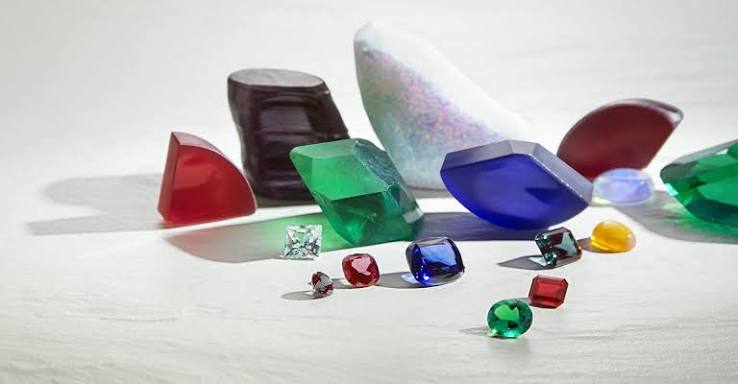
Modern gemological technology has achieved mature mass production for a wide range of popular gemstones, supporting stable commercial supply across the global jewelry industry. Common lab-grown gemstones with standardized industrial production include diamond, ruby, sapphire, emerald, spinel, amethyst, and citrine. These gemstones feature relatively simple and stable crystal growth mechanisms, allowing laboratories to replicate natural geological growth environments accurately. With decades of technical iteration, manufacturers can control color saturation, clarity, and crystal shape stably, making these synthetic stones mainstream alternatives to natural gemstones for commercial jewelry, custom accessories, and decorative applications.

Which Gemstones Cannot Be Lab Grown

Despite advanced synthetic technology, certain gemstones remain impossible to replicate in laboratory environments, primarily organic and fossil-based varieties. Typical non-lab-growable gemstones include amber, coral, natural play-of-color opal, and jet. Unlike mineral gemstones formed by single geological crystallization, these varieties rely on unique biological growth, long-term fossilization, and complex natural organic synthesis processes. Their internal structures contain irregular organic inclusions, biological textures, and fossil traces that cannot be fully simulated by current laboratory equipment. The limitation stems from inherent natural formation logic rather than temporary technical defects, meaning these gemstones can only be sourced through natural mining or collection.

Limitations of Current Lab-Gem Technology

Beyond organic gemstones, current lab-grown technology also faces bottlenecks in replicating ultra-rare high-complexity mineral gemstones. While most common jewelry-grade gemstones support large-scale industrial production, a small number of rare gem varieties only have experimental small-batch synthesis results without commercial promotion value. These experimental products often suffer from unstable color, low crystal integrity, and inconsistent quality, failing to meet jewelry grading and market sales standards. This clear boundary between mature mass production and laboratory experimental synthesis explains why the gemstone synthesis industry cannot achieve full-category coverage currently, resolving common user doubts about universal lab-grown gemstone feasibility.

How Are Lab Grown Gemstones Made?

Core Production Principles

The core production logic of lab-grown gemstones is to artificially simulate the high-temperature, high-pressure geological environments that natural gemstones form within the Earth’s crust over millions of years. By replicating natural crystal growth conditions, laboratories guide mineral raw materials to complete crystallization and growth in a controllable environment. The whole process strictly follows natural gem formation laws, ensuring finished lab-grown gemstones have the same density, hardness, refractive index, and chemical stability as mined gemstones. This fundamental principle guarantees that synthetic gemstones are real gemstones in gemological definition, differing only in growth environment and cycle from natural products.

Main Industrial Manufacturing Methods

The modern gem synthesis industry adopts two mainstream mature manufacturing methods targeting different gem categories, realizing targeted efficient production:

Flame Fusion Method: As a traditional and cost-effective synthetic technology, this method is widely applied in the mass production of ruby and sapphire. It melts high-purity mineral raw materials through high-temperature flame, then cools and crystallizes the molten liquid to form complete gem crystals. Featuring low cost, fast growth speed, and stable output, this technology has become the core process for commercial colored gemstone production and can stably produce high-brightness, high-color-saturation corundum gemstones.

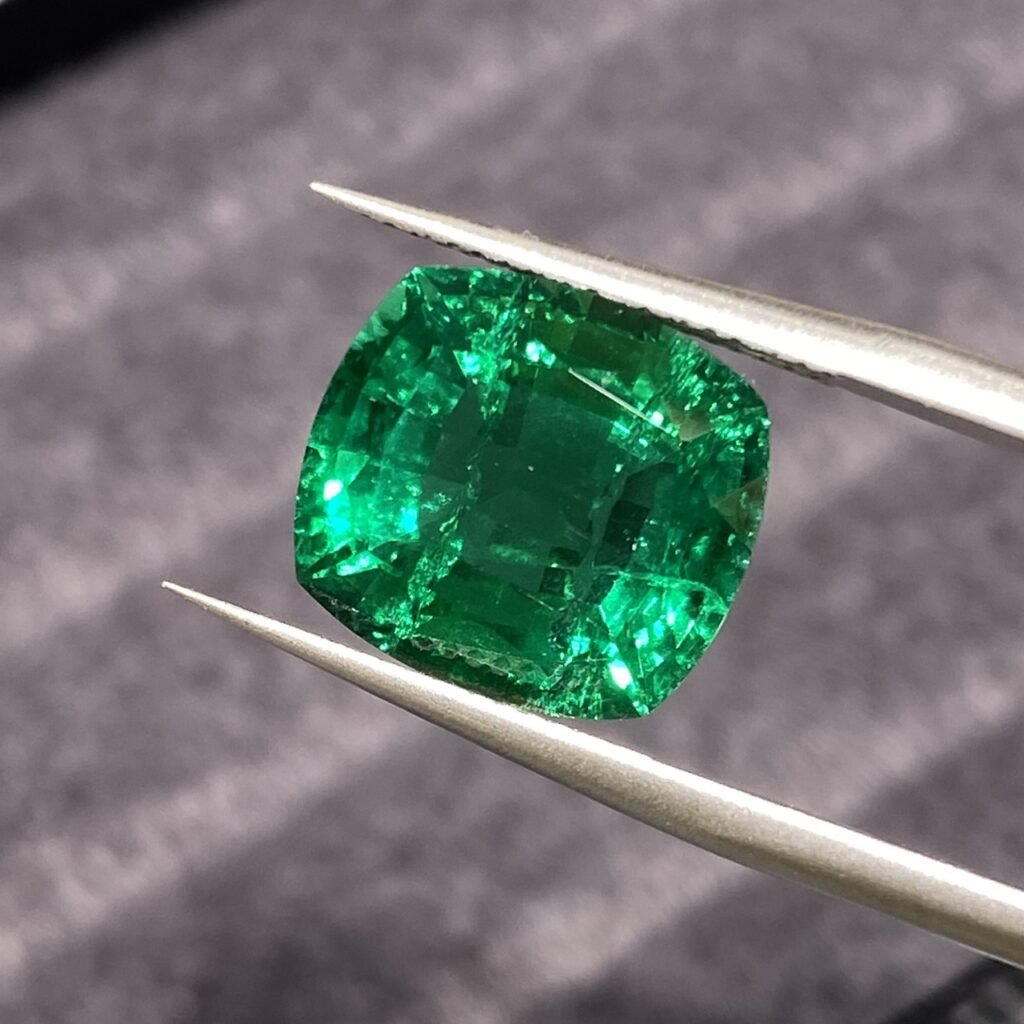
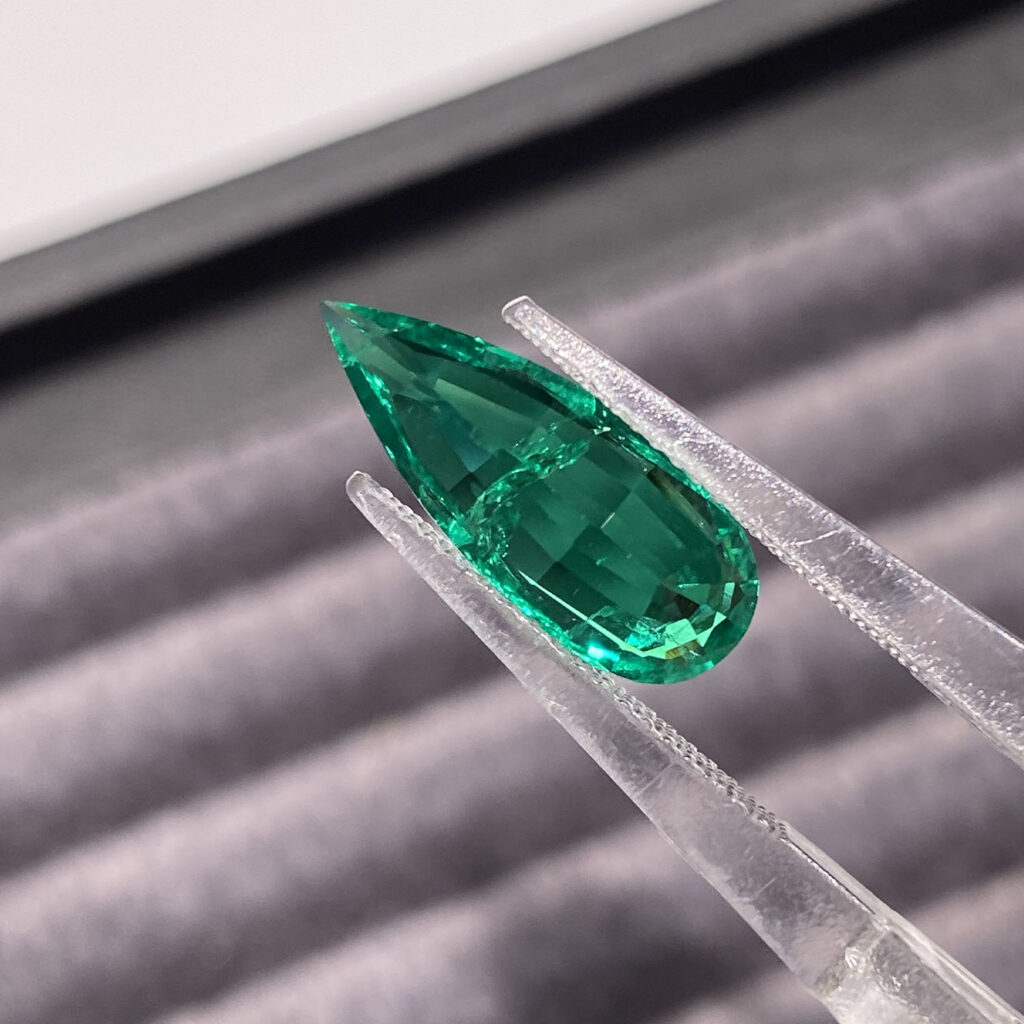
Hydrothermal & Flux Method: This advanced technology is specially developed for difficult-to-grow gemstones represented by emerald and beryl. It simulates the high-temperature and high-pressure hydrothermal environment of underground mineral veins, dissolving raw materials in high-pressure solvent and completing slow crystal growth. The gemstones produced by this method have natural inclusion characteristics and crystal textures, with quality closer to high-grade natural gemstones, effectively solving the technical difficulty of synthesizing high-quality emerald series gemstones.

Step-by-Step Lab-Grown Gemstone Production Process

The complete industrial production process of lab-grown gemstones follows standardized and streamlined steps, forming a mature lab grown gemstone production process. First, producers select high-purity mineral raw materials matching the target gemstone’s chemical composition and configure scientific ratio formulas. Second, crystal seeding is carried out: placing high-quality seed crystals into professional growth equipment to provide growth templates for new crystals. Third, adjust equipment temperature, pressure, and environmental parameters to simulate natural geological conditions and sustain long-term stable crystal growth. Fourth, conduct constant monitoring and parameter adjustment during the growth cycle to avoid impurity mixing and crystal defects. Finally, complete cooling, crystal taking-out, and preliminary screening to obtain complete gemstone blanks, laying a foundation for subsequent cutting and polishing processing.

Lab Grown Gemstone Rough: Complete Guide

What Is Lab Grown Gemstone Rough

Lab grown gemstone rough refers to the original unprocessed crystal blanks directly obtained after laboratory growth, without any manual cutting, polishing, or shaping treatment. Different from finished polished lab-grown gemstones and naturally mined rough stones, lab-grown rough retains the complete original crystal form formed in the controlled laboratory environment. It is the most primitive raw material in the synthetic gemstone industrial chain and the core supply source for gem processing factories, jewelry manufacturers, and gemstone wholesalers.

Features of Lab-Grown Gem Rough vs Natural Rough

There are obvious differences in quality, appearance, and cost between lab-grown rough and natural rough gemstones. In terms of internal quality, lab-grown rough has controllable growth conditions, with fewer natural inclusions, cracks, and impurities, featuring higher crystal integrity and purer texture. In terms of appearance, it has uniform color distribution, stable crystal size, and consistent batch quality, avoiding the uneven color and irregular crystal shape common in natural rough. In terms of cost, lab-grown rough requires no large-scale mining and resource exploration costs, with prices far lower than natural rough of the same grade. Overall, synthetic rough stones have outstanding advantages in purity, stability, and cost performance, making them more suitable for large-scale commercial jewelry production.

Uses & Supply of Lab Grown Gemstone Rough

Raw lab grown gemstones for sale cover multiple application scenarios and support diversified market demands. The most mainstream application is jewelry cutting and processing: processing factories cut and polish rough stones into finished gemstones for inlay rings, necklaces, earrings, and other fine jewelry. In addition, high-quality rough stones with complete crystal forms are favored by gem collectors for original stone collection and specimen research. Some high-hardness synthetic rough stones can also be used for industrial accessories and precision instrument decoration. In terms of market supply, lab-grown rough features sufficient bulk supply, stable batch quality, and complete quality grading standards, supporting global wholesale and customized order services, becoming the core raw material supply of the modern synthetic gem industry.

Lab Grown Gemstones Market: Trends, Growth & Analysis

Current Lab Grown Gemstones Market Size & Statistics

The lab grown gemstones market has maintained rapid and steady growth in recent years, becoming a new growth pole of the global gem industry. Industry data shows that the global lab-grown gemstone market maintains a high compound annual growth rate, with continuous expansion of market scale and increasing penetration rate in the overall gem consumption market. Driven by technological maturity and consumer demand upgrading, the market share of synthetic gemstones in commercial jewelry, custom accessories, and gift markets has risen year by year, gradually breaking the monopoly of natural gemstones in the mid-to-low and mid-to-high-end jewelry markets, and forming a stable industrial scale and market pattern.

Key Market Growth Drivers

The rapid expansion of the lab-grown gemstone market is driven by multiple core advantages, forming irreplaceable industrial competitiveness:

Superior price advantage: Lab-grown gemstones are 60% to 90% cheaper than natural gemstones of the same grade and quality, greatly reducing the consumption threshold of high-quality colored gemstones and diamonds, and meeting the mass consumption demand of ordinary consumers.

Ethical and environmental value: Different from natural gem mining that causes vegetation damage, soil erosion, and ecological destruction, lab-grown gemstone production is pollution-free, low-energy-consuming, and does not involve unethical mining behaviors, conforming to the global green and ethical consumption trend.

Stable supply and quality: Relying on mature laboratory synthesis technology, the industry can achieve stable mass production of rough stones, avoiding the output instability and quality unevenness caused by natural resource scarcity, and ensuring sufficient raw material supply for downstream industries.

Young consumer preference: Modern young consumers pay more attention to cost performance, personalized design, and environmental protection concepts, and are more receptive to synthetic gemstones, becoming the core consumer group driving market growth.

Market Challenges & Limitations

Despite the booming development, the lab-grown gemstone industry still faces obvious market challenges. First, consumer cognition differences exist: some consumers still have misunderstandings about synthetic gemstones, questioning their authenticity and collection value. Second, the industry lacks unified global authoritative grading standards, resulting in uneven product quality and chaotic market pricing in some regions. Third, market competition is increasingly fierce, with a large number of manufacturers entering the track, leading to homogeneous competition in low-end products. In addition, the secondary trading system of lab-grown gemstones is not perfect, which restricts its appreciation and circulation value compared with rare natural gemstones.

Frequently Asked Questions

Are lab grown gemstones real gemstones?

In strict gemological standards certified by GIA and other authoritative institutions, lab-grown gemstones are real gemstones. They have exactly the same chemical composition, physical properties, and optical characteristics as natural gemstones. The only difference is the growth environment: natural gemstones grow underground over millions of years, while lab-grown gemstones mature in a controlled laboratory environment in a short cycle. Synthetic gemstones are not fake or imitation stones, but standardized real gemstones with stable quality.

Will lab-grown gemstones keep their value in the market?

Lab-grown gemstones have stable use value and certain market circulation value, but their appreciation potential is different from high-value rare natural gemstones. Due to sufficient mass production capacity, ordinary lab-grown gemstones maintain stable market prices and are suitable for daily wear and practical collection. High-quality, large-carat, rare-color lab-grown gemstones with excellent cutting craftsmanship have higher preservation value and can maintain stable market value in the long term. However, they cannot replicate the scarcity premium of top natural gemstones with unique natural textures.

Lab-grown gemstone technology has achieved mature commercial coverage of most mainstream jewelry gemstones, while organic and fossil gemstones cannot be artificially synthesized due to natural structural limitations. Supported by standardized industrial processes such as flame fusion and hydrothermal methods, lab-grown gemstones can produce high-purity, high-quality raw rough stones, with obvious advantages in quality stability and cost compared with natural rough stones. Driven by environmental ethics, cost performance, and young consumer demand, the global lab-grown gemstone market is in a period of rapid growth, with broad development space in 2026 and beyond. Although the industry faces cognition and standardization challenges, it has become an irreplaceable important part of the global gem industry, providing consumers with ethical, affordable, and high-quality gemstone choices.
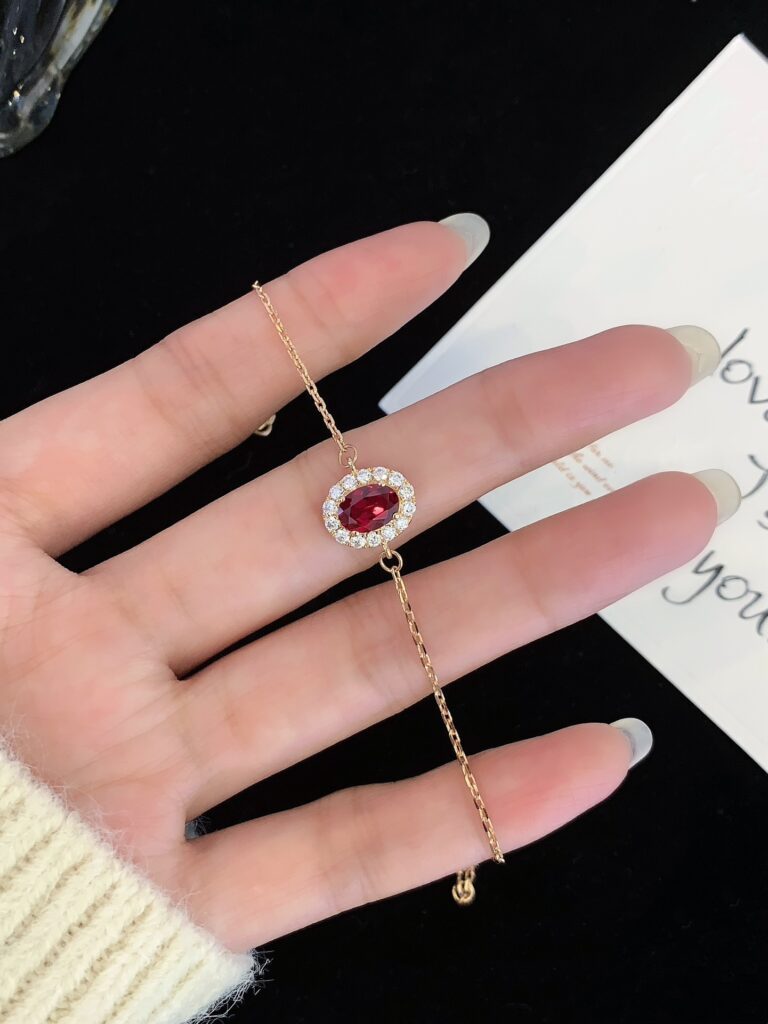
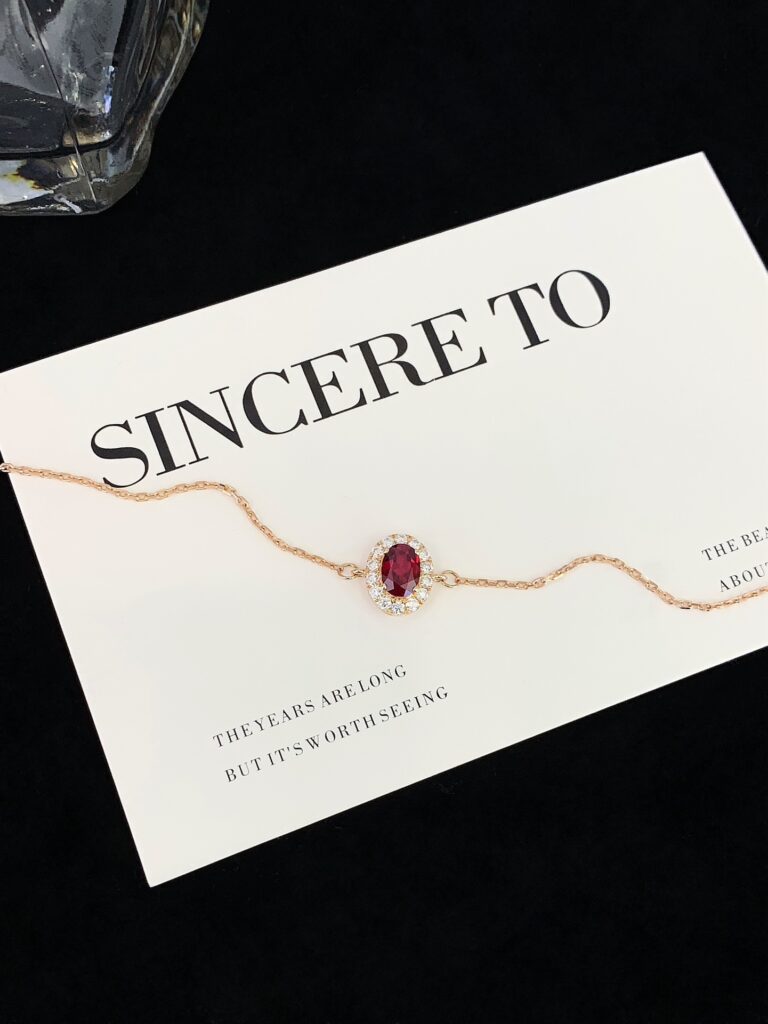
Lab Grown Rubies: Value, Pricing, and Unique Characteristics
Understanding Lab Grown Rubies: Value, Pricing, and Unique Characteristics

What Are Lab Grown Rubies?

Lab grown rubies, also known as synthetic rubies, are gemstones that are produced in controlled laboratory environments using advanced scientific processes that replicate the natural conditions under which rubies form in the earth. Unlike natural rubies, which develop over millions of years within the earth’s crust, lab grown rubies can be created in a matter of weeks or months.

The formation of lab grown rubies typically employs two primary methods: the Verneuil process and the Czochralski process. The Verneuil process involves melting aluminum oxide powder, which is then crystallized to form a ruby. The Czochralski process, on the other hand, involves dissolving aluminum oxide in a high-temperature chamber and slowly pulling a seed crystal from the molten solution to grow the ruby. Both methods yield high-quality gemstones that share many physical and chemical properties with natural rubies.

Chemically, lab grown rubies are identical to their natural counterparts. They are composed of aluminum oxide (Al2O3) and contain trace elements such as chromium, which give them their characteristic red color. The similarities extend to their physical properties as well; both types of rubies exhibit similar hardness and durability, making them suitable for various types of jewelry.

However, there are some differences between natural and lab grown rubies that may be discerned by gemologists. Natural rubies often contain inclusions, or internal flaws, that provide clues to their origins, while lab grown rubies may exhibit fewer inclusions or specific growth patterns that indicate their manufactured nature. Additionally, advanced gemological testing can sometimes reveal subtle differences in the internal structure of these gemstones.

Lab Grown Ruby Pricing

When evaluating the pricing of lab grown rubies, several key factors come into play. Unlike natural rubies, which are formed over millions of years under specific geological conditions, lab grown rubies are created through advanced technological processes, allowing for more controlled production and consequently, influencing their price. One of the primary determinants of the price per carat of lab grown rubies is clarity. Clarity refers to the presence of internal or external imperfections, known as inclusions and blemishes, which can significantly impact a gemstone’s visual appeal and value. A lab grown ruby that boasts higher clarity, with minimal inclusions visible, generally commands a higher price.

Another critical element affecting price is color. The hue, tone, and saturation of the ruby can vary widely, and the most desirable shades, often corresponding to a vivid red, tend to be priced at a premium. Lab grown rubies can be engineered to exhibit these ideal color characteristics, making them an appealing choice for buyers who seek specific aesthetics in their gemstones. Additionally, the cut of the ruby, which defines how well the stone reflects light and its overall shape, plays a role in determining its price. An expertly cut ruby will showcase its inherent beauty optimally and is likely to have a higher market value.

Market trends indicate that lab grown rubies are generally priced more affordably than their natural counterparts. This affordability is primarily due to the lower production costs and the lack of rarity associated with lab grown stones. Natural rubies, being significantly rarer, often come with a high price tag, reflected in their market demand. As awareness and acceptance of lab grown gemstones continue to grow, buyers are faced with a viable alternative that offers aesthetic beauty at a lower price point. Therefore, for gemstone enthusiasts and buyers, lab grown rubies may represent not only a cost-effective option but also an ethical choice free from the complications often associated with mining natural stones.

Assessing the Value of Lab Grown Rubies

Lab grown rubies have gained increasing attention in the gemstone market, prompting questions regarding their value compared to natural rubies. The perception of value often hinges on factors such as origin, rarity, and consumer preferences. While lab grown rubies are manufactured in controlled environments, they possess many characteristics akin to their natural counterparts, including color, clarity, and brilliance.

One key aspect of assessing the value of lab grown rubies is their market acceptance. Traditionally, gemstones with natural origins have been regarded as more valuable due to their rarity and the natural processes required for their formation. Experts suggest that lab grown rubies, while chemically and visually similar, do not carry the same level of prestige. However, this perspective is evolving, as consumers increasingly appreciate the ethical and environmental benefits of choosing lab grown alternatives.

In terms of resale potential, lab grown rubies generally do not hold their value as well as natural gemstones. The abundance of lab grown options in the market can lead to lower resale prices, which potential buyers and sellers should carefully consider. Yet, as consumer attitudes shift towards sustainability and ethics in jewelry purchases, the value perceptions may gradually change. Customers are now leaning towards lab grown rubies not only for their affordability but also for their minimal environmental impact.

Current surveys and expert opinions reveal a growing acceptance of lab grown rubies within the jewelry market. Many jewelers are now promoting these gemstones as a viable and attractive alternative. The ongoing dialogue about lab grown versus natural stones is furthering consumer awareness, spurring conversations about craftsmanship, beauty, and ethical sourcing, which is paramount in defining the value of these modern gemstones.

Lab Grown Rubies and UV Light: What to Expect

Lab grown rubies exhibit unique reactions to ultraviolet (UV) light, an aspect that captivates both jewelry enthusiasts and gemologists. When subjected to UV light, these synthetic stones can display striking fluorescence, often appearing to glow in a vibrant red or pink hue. This luminescence is primarily due to the presence of chromium, which is an essential element in the chemical structure of rubies. When excited by UV radiation, chromium ions emit light, producing this distinct visual effect.

The fluorescence of lab grown rubies can vary significantly from one stone to another. Some may demonstrate a strong, noticeable glow, while others may present minimal luminescence. This variability can be influenced by factors such as the specific conditions under which the rubies were developed and the purity of the materials used in their creation. Understanding how these gems react under UV light is valuable for consumers and collectors, as it can affect the stone’s visual appeal and perceived value.

In jewelry design and display, the ability of lab grown rubies to fluoresce under UV light can enhance their aesthetic appeal. Designers may choose to showcase these gems in settings that emphasize their luminescent qualities, creating pieces that catch the eye in various lighting conditions. Additionally, the vibrant glow under UV light can make lab grown rubies a desirable choice for unique pieces intended for nightlife or special occasions, as they can create striking visual contrasts. Overall, the interaction of lab grown rubies with UV light not only adds an intriguing characteristic to these synthetic gemstones but also broadens their use in innovative jewelry designs.

Hydrothermal Emerald Production

Hydrothermal emeralds are a fascinating category of gemstones that have gained prominence in the jewelry market due to their unique origin and alluring qualities. Unlike natural emeralds, which form over millions of years through geological processes in the Earth’s crust, hydrothermal emeralds are artificially produced in controlled laboratory conditions using advanced scientific methods.

The hydrothermal process involves mimicking the natural conditions under which emeralds are formed. This technique utilizes high pressure and temperature to dissolve beryllium and aluminum-rich minerals, along with other components needed for crystal growth, in a suitable solvent, which is often water. By regulating the temperature and pressure within a hydrothermal chamber, the dissolved minerals crystallize and grow over time, resulting in emeralds that have optical properties and chemical compositions comparable to their natural counterparts.

One notable difference between hydrothermal emeralds and natural emeralds is their clarity and color saturation. Hydrothermal emeralds frequently exhibit fewer inclusions than natural ones, which enhances their visual appeal and potential market value. Furthermore, the controlled environment can lead to more vibrant colors, as well as a reduction in the common imperfections found in mined gemstones. As consumers increasingly seek gems that combine beauty with ethical sourcing, hydrothermal emeralds present an attractive alternative. They are seen as more sustainable options, as they are produced without the detrimental environmental effects commonly associated with traditional mining practices.

Hydrothermal emerald process represents a modern advancement in gemstone creation, offering an exceptional blend of aesthetics and sustainability. Their unique formation process not only differentiates them from natural emeralds but also illustrates the intersection of science and art in the world of gemology.

The Hydrothermal Process: Crafting Beautiful Gemstones

The hydrothermal process is a remarkable method for creating emeralds, using controlled conditions that simulate natural processes. This innovative technique involves a combination of heat, pressure, and specific chemical raw materials to cultivate beautiful gemstones. Unlike traditional methods, which often rely on mining from the Earth’s crust, the hydrothermal approach efficiently generates emeralds in a laboratory setting. This not only maximizes the use of resources but also provides a sustainable alternative to diamond mining.

To produce hydrothermal emeralds, lab grown gemstone manufacturer begins by preparing a nutrient-rich solution that includes essential minerals such as beryllium and aluminum. The mixture is then placed in a specialized chamber that can withstand extremely high temperatures and pressures, typically exceeding 600 degrees Celsius and 800 atmospheric pressure. Under these conditions, the solution becomes supersaturated, allowing crystals to form as the minerals slowly crystallize over time.

The duration required for crystal growth can vary, but generally spans several weeks to months, resulting in large and vibrant emeralds. This contrasts sharply with traditional mining, where emeralds are formed over millions of years, making the hydrothermal process significantly more time-efficient. Furthermore, hydrothermal emeralds often present fewer inclusions and imperfections, allowing for higher quality and clarity in the final product.

Additionally, the hydrothermal method significantly reduces the environmental impact associated with gemstone extraction. Traditional mining can lead to substantial land degradation and ecological disturbance, whereas the controlled laboratory environment minimizes such adverse effects. As awareness of environmental issues grows, many consumers are gravitating towards ethically sourced gemstones, making hydrothermal emeralds an appealing choice in today’s market.

Inclusions in Hydrothermal Emeralds: What to Look For

When selecting hydrothermal emeralds, understanding the characteristics of hydrothermal emerald inclusions is critical. Inclusions are natural features found within gems that can significantly influence their appearance and value. Unlike flawless stones, hydrothermal emeralds often showcase various types of inclusions, which add distinctiveness and individuality to each piece.

The most common inclusions found in hydrothermal emeralds are known as “jardin,” a French term meaning “garden.” These unique patterns resemble delicate foliage or moss, created by the presence of various minerals and gas bubbles during the crystal growth process. The “jardin” inclusions not only contribute to the emerald’s beauty but also serve as identifying markers that can help distinguish hydrothermal emeralds from their natural counterparts.

Additionally, other types of inclusions can be observed in hydrothermal emeralds, such as gas bubbles, which appear as tiny voids within the stone. These bubbles can affect the gemstone’s transparency and brilliance. The presence of such inclusions may decrease a stone’s value, especially if they interfere with the overall aesthetic appeal. Conversely, some buyers may appreciate the natural look that these inclusions provide.

Another type of inclusion is the “fingerprint,” which consists of distinctive features that can help gemologists identify specific hydrothermal emeralds. These fingerprints can convey information about the formation process and the conditions under which the emerald was created, solidifying its status as an artificial yet captivating gemstone.

When evaluating hydrothermal emeralds, buyers should consider the type and extent of inclusions present. A careful examination will reveal how these features impact the gemstone’s overall beauty and value. Ultimately, inclusions add depth to the story of hydrothermal emeralds, making them not only a jewelry choice but also a topic of interest for those fascinated by the natural world of gemstones.

Pricing and Quality of Hydrothermal Colombian Emeralds

The market for hydrothermal Colombian emeralds has been increasingly dynamic, reflecting trends in consumer preferences and the availability of quality gemstones. As these unique emeralds gain popularity due to their ethical sourcing and captivating beauty, understanding their pricing structure becomes essential for potential buyers and gem enthusiasts alike.

Several factors influence the pricing of hydrothermal Colombian emeralds, with quality being a paramount consideration. The quality of these gemstones is primarily assessed based on their color, clarity, cut, and carat weight. Hydrothermal emeralds, known for their vivid green hues and lesser inclusions compared to their natural counterparts, typically command higher prices as they are viewed as aesthetically superior.

Demand is another critical factor influencing the market price. With the rise in consumer awareness regarding sustainable and conflict-free sourcing, hydrothermal emeralds are experiencing heightened demand. This surge can be attributed to factors such as the gemstone’s affordability relative to natural emeralds, alongside its enhanced durability. Unlike traditional emeralds that can be fragile due to their natural inclusions, hydrothermal emeralds present a more robust option for everyday wear, enhancing their appeal in the jewelry market.

Market trends also play a vital role in shaping the prices of hydrothermal Colombian emeralds. As the jewelry industry continues to evolve, consumer tastes shift toward more modern designs and innovative settings that incorporate these unique gemstones. Furthermore, collaboration between designers and gemstone suppliers has led to a broader understanding of the value of hydrothermal emeralds, often driving prices upward as the market adapts to new jewelry trends.

In conclusion, the pricing of hydrothermal Colombian emeralds is influenced by a combination of quality, demand, and market dynamics. As potential buyers navigate this evolving landscape, recognizing these factors will be instrumental in making informed purchasing decisions, ultimately leading to greater appreciation for these exquisite gems.

Exploring Ethical Lab-Grown Gemstones in Women’s Jewelry

Lab-grown gemstones, also known as synthetic gemstones or cultured gemstones, are stones that are created through technological processes rather than being formed naturally within the Earth. The advent of advanced scientific techniques, such as chemical vapor deposition (CVD) and flux-growth methods, enables the production of these stones in controlled environments, resulting in gems that are virtually identical to their natural counterparts in terms of appearance, composition, and durability.

A significant distinction between lab-grown and natural gemstones lies in their formation. Natural gemstones are formed over millions of years due to geological processes, which can lead to imperfections and variations. In contrast, lab-grown gemstones are produced in a matter of weeks or months, allowing for greater consistency and fewer inclusions. Furthermore, because lab-grown stones are manufactured in laboratories, they provide a transparent alternative to mined gems, often addressing ethical concerns surrounding their sourcing.

Environmental sustainability is another crucial consideration in the discussion of lab-grown gemstones. The mining of natural gemstones can lead to significant ecological damage, including habitat destruction and pollution. In contrast, lab-grown gemstones require fewer resources and generate less waste, making them a more environmentally friendly option for consumers who are conscious of their impact on the planet. Additionally, the labor conditions associated with gemstone mining are often scrutinized, and lab-grown alternatives eliminate many ethical dilemmas faced by traditional gemstone industries.

The demand for sustainable jewelry options is growing rapidly, with consumers increasingly seeking alternatives that align with their values. Jewelers are responding to this shift by incorporating a variety of lab-grown gemstones into their designs, ensuring that customers can find stunning pieces that meet both aesthetic and ethical criteria. From lab-created diamonds to colored gemstones, such as sapphires and emeralds, the acceptance and popularity of lab-grown gems continue to rise in the jewelry market.

The Appeal of Ethical Choices in Jewelry

In recent years, the jewelry industry has witnessed a significant shift towards ethical considerations, particularly among female consumers. This trend is driven by a growing awareness of the moral implications associated with traditional gemstone mining. Women are increasingly seeking jewelry that not only enhances their personal style but also aligns with their values regarding social and environmental responsibility.

One of the primary reasons many consumers are gravitating towards ethical lab-grown gemstones is the transparency they offer. Unlike mined gemstones, which can often be associated with exploitation and conflict, lab-grown options provide a clear understanding of their origins. This transparency is appealing to those who wish to make informed choices about the products they purchase and the broader impact of those choices.
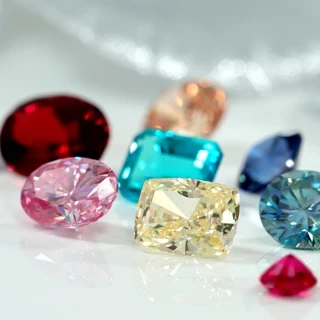
The environmental ramifications of gemstone mining cannot be overstated. Traditional mining practices are often associated with significant habitat destruction, soil degradation, and water pollution. In contrast, lab-grown gemstones are created in controlled environments, resulting in a substantially lower ecological footprint. By choosing ethical alternatives, women can support innovations that prioritize sustainability while still enjoying the aesthetic benefits of beautiful gemstones.

Furthermore, as consumers become more educated about the value chains behind their purchases, they are demanding greater accountability from brands. Ethical lab-grown gemstones not only fulfill aesthetic desires but also resonate emotionally with consumers. The ability to wear a piece of jewelry that represents not just beauty, but also an ethical commitment to sustainability and social justice, enhances its significance.

In conclusion, the appeal of ethical choices in women’s jewelry is rooted in a desire for transparency, environmental stewardship, and moral responsibility. As the trend continues to grow, it paves the way for a more conscious approach to jewelry purchasing, allowing women to celebrate their individuality while also championing ethical practices in the industry.

Wholesale Suppliers of Gemstone Jewelry: Finding the Right Partner

Identifying reputable wholesale suppliers of gemstone jewelry, particularly those specializing in ethical lab-grown options, is essential for any business seeking to create exquisite jewelry pieces that reflect modern values. To begin, conducting thorough research on potential suppliers is the first step. Look for companies that have established a solid reputation in the jewelry industry. Reviews and testimonials from other retailers can provide valuable insight into the supplier’s reliability and product quality.

Additionally, it is crucial to assess the supplier’s commitment to ethical practices. Many modern consumers are increasingly concerned about the sourcing of gemstones, making it imperative for suppliers to be transparent and provide traceability of their lab-grown gemstones. A good supplier should be able to explain their production processes and the technology used in creating the gemstones, thereby ensuring they meet ethical standards.

Another key factor to consider is the supplier’s familiarity with current market trends. The jewelry market, especially with the rising popularity of lab-grown stones, is dynamic and ever-evolving. Suppliers should be knowledgeable about emerging trends, popular gemstone qualities, and market demands, enabling you to stay ahead of the competition. They might also provide guidance on which styles and gemstones are trending, helping you tailor your inventory to meet customer desires.

Furthermore, ensure that the supplier adheres to strict quality assurance protocols. Reliable suppliers should offer certifications for their lab-grown gemstones from recognized authorities, confirming their authenticity and quality. Regular quality checks, detailed product descriptions, and a flexible return policy are indicators of a trustworthy supplier.

In conclusion, finding the right wholesale supplier of gemstone jewelry involves careful evaluation of their reputation, ethical practices, market understanding, and commitment to quality. By focusing on these areas, you will be better positioned to build a successful partnership that aligns with your business’s values and goals.

Styling Lab-Grown Gemstones in Women’s Jewelry

As the trend of ethical and sustainable fashion continues to rise, the inclusion of lab-grown gemstones in women’s jewelry has become increasingly popular. These gemstones, often indistinguishable from their natural counterparts, offer not only ethical assurance but also a plethora of design options. From vintage to contemporary styles, lab-grown gemstones can be seamlessly integrated into a variety of jewelry designs, allowing every woman to express her distinct personal aesthetic.

One of the most captivating uses of lab-grown gemstones is in engagement rings. These rings can feature colorful sapphires or vibrant emeralds, providing an ethical alternative to traditional mined stones. The ability to customize colors and shapes adds to the uniqueness of each piece, making a lab-grown gemstone engagement ring a reflection of personal tastes and values. Additionally, many couples are now gravitating towards setting these stones in unique designs that highlight their brilliance while showcasing the commitment to sustainable practices.

Beyond engagement rings, lab-grown gemstones find their place in everyday wear, such as stud earrings and sleek pendants. These items can be worn daily, providing a touch of elegance without compromising ethical standards. The versatility of lab-grown gemstones permits pairing with various metals, such as gold, silver, or even platinum, enhancing both the color and luster of the gemstone. Furthermore, their increasing popularity has led to innovative designs, including mixed-material pieces that combine gemstones with eco-friendly materials.

For those seeking statement pieces, larger lab-grown stones can be featured in bold cocktail rings or chandelier earrings, allowing a show-stopping look for special occasions. Their ability to add depth and character to any outfit is unparalleled, making them ideal for fashion-forward women. Ultimately, styling lab-grown gemstones in women’s jewelry allows for creativity and expressive freedom, while also supporting responsible sourcing and environmental sustainability in the jewelry industry.

Why Global Retailers Are Shifting to Lab Grown Synthetic Gemstone Wholesale Solutions

As consumer awareness of sustainable consumption grows and fashion jewelry trends iterate rapidly, man-made gem products have become the mainstream choice for jewelry retailers, brand designers, and cross-border wholesale merchants worldwide. The industry’s core procurement and trading sectors are now dominated by lab grown gemstones wholesale, wholesale synthetic gemstone jewelry, wholesale synthetic gemstones, forming a complete industrial chain covering raw stone supply, customized processing, finished jewelry production and bulk distribution.

To understand the popularity of synthetic gem products in the wholesale market, it is essential to clarify the production characteristics and core advantages of lab-grown gemstones. Different from traditional mined gemstones that rely on random geological formation and limited mining resources, lab-grown gemstones are manufactured through mature HPHT (High Pressure High Temperature) and CVD (Chemical Vapor Deposition) technologies in standardized laboratory environments. Chemically, physically and optically identical to natural gemstones, they retain the same luster, hardness, color and clarity as natural rubies, sapphires, emeralds and diamonds. The biggest industrial advantage lies in their controllable output and stable quality. Wholesalers no longer need to face the problems of natural gem resource scarcity, uneven quality, high mining costs and price volatility, which greatly reduces the operational risks of bulk procurement and inventory management.

Wholesale synthetic gemstones cover a full range of loose gemstone categories, including colorless synthetic diamonds, colored gemstones such as synthetic ruby, sapphire, emerald, amethyst and aquamarine, as well as popular fashion varieties like moissanite, cubic zirconia and spinel. These loose stones support diversified cutting and polishing processes, from classic round brilliant cuts to personalized oval, pear, cushion and fancy cuts, with complete size specifications ranging from miniature beads for micro-inlay to large carat stones for high-end custom jewelry. Standardized industrial production ensures consistent color grading and clarity of bulk goods, enabling wholesalers to provide unified quality products for downstream buyers, which is impossible to achieve with natural gemstone batches. In addition, the production cycle of synthetic gemstones is short, which can quickly respond to seasonal fashion trends and customized order demands, greatly improving the turnover efficiency of wholesale inventory.

On the basis of sufficient loose stone supply, wholesale synthetic gemstone jewelry has become the most profitable terminal segment in the industry. This category includes finished sterling silver jewelry, alloy fashion jewelry, gold-plated fine jewelry and custom designer jewelry inlaid with synthetic gemstones, covering hot-selling styles such as rings, necklaces, earrings, bracelets, pendants and jewelry sets. Different from high-priced natural gem jewelry positioned at luxury collection, synthetic gemstone finished jewelry focuses on light luxury, daily fashion and affordable high-end positioning, perfectly matching the consumption needs of young consumers and middle-income groups. With exquisite craftsmanship and vivid gem luster, these products achieve a high appearance restoration effect of luxury jewelry at a low cost, making them extremely competitive in global retail markets such as cross-border e-commerce, physical jewelry stores and gift markets.

Lab grown gemstones wholesale has further standardized the industry’s bulk trading system and quality evaluation standards. Formal wholesale suppliers will strictly follow international gem grading standards, inspect products from the four dimensions of color, clarity, cut and carat weight, and provide professional certification reports for high-grade products. At present, the wholesale market has formed differentiated product hierarchies: high-grade certified lab-grown gemstones for custom fine jewelry and wedding jewelry, medium-grade polished loose stones for mass fashion jewelry production, and economical conventional styles for daily fast-fashion jewelry and souvenir gifts. This hierarchical product system allows wholesalers to cover different customer groups, from high-end jewelry brands to small and medium-sized retailers and individual sellers, maximizing market coverage and profit margins.

In terms of industry development trends, the global synthetic gem wholesale market maintains a continuous growth momentum, driven by dual demands of environmental protection and cost optimization. Natural gem mining often causes ecological damage and involves conflict mineral risks, while lab-grown gem production is green, low-carbon and sustainable, conforming to the global sustainable development concept and winning the favor of environmentally conscious brands and consumers. Meanwhile, the wholesale price of synthetic gemstones is only 10%-30% of natural gemstones with the same parameters, which enables downstream retailers to obtain higher profit margins while setting more friendly retail prices, forming a virtuous market cycle.

For global buyers and wholesalers, choosing professional synthetic gem wholesale suppliers can also enjoy flexible procurement policies, including low minimum order quantities, mixed batch customization, private logo processing and cross-border one-stop delivery services. Many powerful manufacturers integrate production and sales, realizing independent research and development, cutting, polishing and inlay processing, which can quickly meet personalized customization needs of different customers, from exclusive gem color tuning to exclusive jewelry style design. With the continuous upgrading of laboratory production technology, the simulation degree and quality of synthetic gemstones are constantly improved, and product categories are further enriched, which will continue to expand the application scenarios of synthetic gem jewelry in high-end jewelry markets.

In conclusion, the integration of lab-grown loose stone supply and finished jewelry wholesale has built a mature, stable and profitable modern gem industry chain. As consumer cognition continues to upgrade and market demand continues to expand, synthetic gem-related wholesale businesses will gradually replace part of the natural gem market, becoming the core growth engine of the global jewelry wholesale industry. For practitioners, grasping the wholesale opportunities of synthetic gem products, optimizing product selection and supply chain management, will be the key to seizing the future jewelry market dividend.

The Craftsmanship, Value and Market Evolution of Lab Grown Gemstones

For centuries, natural gemstones have been cherished as rare luxury treasures, formed by billions of years of crustal movement, high temperature and high pressure in nature. Their scarcity and unique luster have made them indispensable core materials in high-end jewelry, collection and gift-giving scenarios. However, natural gem mining faces multiple dilemmas, including resource depletion, ecological damage, uneven quality and sky-high market prices. In response to the market demand for high-quality, cost-effective and environmentally friendly gem materials, lab grown gemstones have emerged as a revolutionary alternative in the global gem industry. With precise technological simulation of natural gem formation conditions, modern laboratories can replicate the chemical composition, crystal structure, optical properties and physical hardness of natural gemstones perfectly, creating high-quality gem products that are almost indistinguishable from natural ones. As technology matures and industrial scale expands, lab grown gemstones have gradually become a mainstream choice in the global jewelry market, rewriting the development pattern of the traditional gem industry.

To understand the core competitiveness of lab grown gemstones, it is essential to master the complete set of industrial manufacturing technologies, and clarify how modern laboratories simulate nature’s extreme growth environment to cultivate qualified gem crystals. The formation of natural gemstones requires tens of millions or even billions of years of geological evolution, while laboratory technology can compress this long natural process into a few weeks or months through precise parameter control. At present, the mainstream production processes of lab grown gemstones in the industry mainly include flame fusion method, hydrothermal method, flux growth method and crystal pulling method, each of which is applicable to different gem varieties and has unique technical characteristics and product advantages.

The flame fusion method, also known as the Verneuil process, is the oldest, most mature and lowest-cost commercial gemstone cultivation technology, which was successfully developed by French chemist Auguste Verneuil in 1902 and realized large-scale commercial production in the early 20th century. The whole production process is simple and efficient: firstly, high-purity chemical raw materials matching the chemical formula of the target gemstone are ground into fine powder, and trace color-inducing elements are added according to the required color tone. Then, the raw material powder is evenly dropped through a vibrating feeder into an oxyhydrogen high-temperature flame of about 2050 degrees Celsius. The high-temperature flame instantly melts the solid powder into liquid droplets, which fall slowly onto a rotating refractory seed crystal platform. With the slow cooling and crystallization of the liquid droplets, a complete cylindrical crystal blank called “boule” is gradually formed. After cutting, polishing and fine processing, the crystal blank can be made into finished gemstones. This process is mainly used for the mass production of corundum series gems such as ruby and sapphire, as well as spinel and rutile, and has the advantages of fast growth speed and low production cost.

Different from the high-temperature melting principle of the flame fusion method, the hydrothermal method and flux growth method are more inclined to simulate the low-temperature and high-pressure growth environment of deep underground natural gemstones, and are mainly used for cultivating high-end varieties such as emerald, aquamarine and tourmaline. The hydrothermal method takes high-purity water as the solvent, places gem raw materials and seed crystals in a closed high-pressure reaction kettle, and creates a high-temperature and high-pressure sealed environment inside the kettle. Under the action of superheated high-pressure water, the solid raw materials dissolve into a saturated solution, and the gem atoms gradually precipitate and grow layer by layer attached to the seed crystals. The flux growth method uses special molten flux as a chemical solvent to dissolve gem raw materials at a relatively low temperature, avoiding the crystal damage caused by ultra-high temperature melting. The gemstones cultivated by these two processes have more natural crystal textures, fewer internal impurities and higher clarity, and their quality is far superior to most low-grade natural gemstones.

Lab grown colored gemstones cover almost all mainstream colored gem varieties in the market, including ruby, sapphire, emerald, amethyst, citrine, garnet and peridot. By adjusting the types and proportions of trace color elements added in the cultivation process, laboratories can precisely control the hue, saturation and color uniformity of gemstones, realizing stable output of classic high-value colors that are extremely rare in nature. For example, by adding trace chromium elements, pure red ruby crystals can be cultivated; by adjusting the content of iron and titanium elements, royal blue and cornflower blue sapphires with uniform color can be stably produced. Compared with natural colored gemstones, which have uneven color and many color defects, lab grown colored gemstones have the advantages of pure color, high transparency, no color difference and stable batch quality, which perfectly meet the standardized production needs of modern jewelry brands.

In terms of physical and chemical properties, qualified lab grown gemstones are completely consistent with natural gemstones. They have the same Mohs hardness, refractive index, density and thermal conductivity, and cannot be distinguished by naked eyes or conventional jewelry testing instruments. Only through professional gemological institution testing and microscopic observation of internal growth traces can artificial cultivated characteristics be identified. This high consistency in core properties is the fundamental reason why lab grown gemstones can replace natural gemstones in jewelry inlay, commercial collection and daily wearing scenarios. In addition, lab grown gemstones have significant advantages in sustainability and cost. Natural gem mining will cause serious damage to mountain vegetation, water resources and geological structure, and is accompanied by problems such as illegal mining and conflict gems. In contrast, laboratory cultivation adopts industrial standardized production, which has minimal environmental impact, no resource waste and no ecological damage, conforming to the global green and sustainable development concept.

In terms of market pricing, the production cost of lab grown gemstones is only 10% to 30% of that of natural gemstones of the same quality. While ensuring high appearance and quality, they greatly reduce the consumption threshold of colored gem jewelry, making high-end gem jewelry no longer exclusive to a few people. With the continuous upgrade of consumer concepts, more and more young consumers and jewelry brands begin to pursue cost-effective, environmentally friendly and high-beauty gem products, which directly drives the rapid expansion of the lab grown gemstone market scale.

The booming market demand has promoted the continuous iteration of cultivation technology and the rapid development of the industrial chain, and a number of professional and influential lab grown gemstone companies have emerged in the global market. These enterprises focus on the research and development of gem cultivation technology, standardized production, brand operation and market promotion, and have built a complete industrial system covering raw material preparation, crystal cultivation, cutting and polishing, jewelry design and terminal sales. Leading international companies have long-term technical accumulation in high-end gem cultivation, and their products are mainly oriented to high-end customized jewelry and professional collection markets. At the same time, emerging domestic enterprises rely on flexible production mechanisms and cost advantages, focusing on mass-market jewelry matching, and continuously enrich product categories, covering all kinds of mainstream colored gemstones from entry-level to high-end.

These professional lab grown gemstone companies continue to invest in technological research and development, optimize cultivation processes, and break through the technical bottlenecks of high-purity, large-size and special-color gem cultivation. In the past, large-carat high-quality colored gemstones were extremely scarce and expensive in the natural market, but now enterprises can stably produce 5-carat, 10-carat and even larger high-clarity lab grown gemstones through mature processes. At the same time, enterprises have also realized the customized production of special-color gemstones, meeting the personalized design needs of high-end jewelry brands and designers. In terms of quality control, formal enterprises have established strict testing standards, and each batch of products will pass the appraisal of professional gemological institutions to ensure the stability and reliability of product quality, which greatly enhances consumer trust.

From the perspective of industrial development trend, lab grown gemstones are ushering in a golden period of development. On the one hand, the continuous maturity of cultivation technology further reduces production costs and improves product quality, making lab grown gemstones more competitive in the market. On the other hand, the improvement of industry standards and the popularization of consumer cognition have eliminated the market misunderstanding of lab grown gemstones. More and more consumers have recognized that lab grown gemstones are not “fake stones”, but high-quality gem materials with the same essence as natural gemstones.

In addition, with the rise of sustainable consumption and ethical consumption concepts, the environmental protection and ethical advantages of lab grown gemstones have become important selling points in the market. Major international jewelry brands have successively launched jewelry series using lab grown gemstones, further promoting the popularization and branding of lab grown gemstone products. In the future, with the continuous expansion of application scenarios, lab grown gemstones will not only be widely used in civilian jewelry, but also have broad application prospects in high-end decoration, craft collection and even industrial precision instruments.

In conclusion, lab grown gemstones represent the technological innovation and development direction of the modern gem industry. Through simulating natural geological growth conditions, human beings have broken the limitation of natural gem resource scarcity, and created high-quality, environmentally friendly and cost-effective gem products. From the diversity of lab grown colored gemstones products to the continuous technological breakthroughs of lab grown gemstone companies, the whole industry is showing a vigorous development trend. In the future, with the further integration of technology, market and brand resources, lab grown gemstones will completely change the pattern of the traditional gem industry, become the mainstream choice of the global gem market, and lead the new sustainable development trend of the jewelry industry.

Lab-Grown Sapphires in Modern Fine Jewelry

The gemstone market has undergone a profound transformation over the past few decades, driven by technological advancements, shifting consumer ethics, and an increasing demand for sustainable luxury. Among the most remarkable beneficiaries of this modern renaissance is corundum, particularly in its vibrant blue and fancy-color variants. For centuries, acquiring a flawless, deep-blue sapphire meant relying exclusively on earth-mined stones sourced from traditional deposits in Kashmir, Burma, Sri Lanka, or Madagascar. However, the advent of sophisticated crystal growth technology has completely revolutionized how we perceive, acquire, and cherish these magnificent treasures. Today, consumers and jewelers alike are embracing laboratory-created alternatives that offer identical chemical, physical, and optical properties to their geological counterparts without the associated ecological and ethical tolls.

To truly appreciate the modern jewelry landscape, one must understand the intricate science behind the creation of a lab grown sapphire gemstone. Unlike imitations or glass simulations, synthetic sapphires are genuine corundum ($Al_2O_3$), possessing the exact same crystal lattice structure, refractive index, specific gravity, and Mohs hardness rating of 9. The journey of these crystals begins in high-tech laboratories where scientists replicate the extreme heat and pressure conditions found deep within the Earth’s mantle. Several primary methods are employed to cultivate these crystals, each yielding distinct characteristics and structural purities. The Verneuil flame-fusion process, pioneered in the early 20th century, remains one of the most common and cost-effective techniques. In this method, finely powdered alumina mixed with trace coloring elements—such as titanium and iron for classic blue hues, chromium for pinks, or vanadium for purples—is passed through an oxyhydrogen flame, melting into a droplet that crystallizes on a pedestal as it cools, forming a cylindrical boule. Alternatively, the Czochralski pulling method involves dipping a seed crystal into a molten bath of raw materials and slowly drawing it upward while rotating, producing large, exceptionally flawless single crystals suitable for high-end luxury jewelry and industrial applications alike. Hydrothermal synthesis, though more time-consuming and costly, mimics natural geological fluid processes, resulting in stones with growth features and inclusions that closely mirror those found in natural mines. Regardless of the synthesis method utilized, the resulting material is chemically and optically indistinguishable from natural sapphire to the naked eye and even under standard gemological examination.

Beyond the undeniable beauty and scientific marvel of these stones, the ethical and environmental advantages of laboratory cultivation have become powerful catalysts for market adoption. Traditional gem mining is frequently associated with significant environmental degradation, including habitat destruction, soil erosion, heavy water usage, and carbon emissions from heavy machinery. Furthermore, artisanal mining operations in developing regions have historically faced scrutiny regarding labor practices, fair wages, and worker safety. In stark contrast, laboratory-created sapphires are produced in controlled, regulated environments where labor standards are strictly enforced, and environmental footprints are minimized. Energy consumption remains a factor, but many modern crystal-growing facilities are transitioning toward renewable energy sources, significantly reducing their overall carbon output. This transparency and traceability resonate deeply with a new generation of consumers—particularly Millennials and Generation Z—who prioritize sustainability, social responsibility, and ethical integrity in their purchasing decisions. Knowing precisely where and how a gemstone was created provides a profound sense of peace of mind that traditional supply chains often struggle to guarantee.

As demand for sustainable and ethically sourced fine jewelry continues to surge exponentially worldwide, the commercial infrastructure supporting these products has matured remarkably. Jewelry designers, independent artisans, and large-scale retail brands require reliable, consistent, and scalable access to high-grade material to meet consumer expectations. This high-volume commercial supply is anchored by specialized distribution networks operating at a lab grown sapphire wholesale level. B2B suppliers and cutting facilities provide jewelry manufacturers with calibrated stones in standard millimeter sizes, custom cuts, precise color saturation grades, and diverse fancy shapes—including round brilliant, oval, cushion, emerald, pear, and marquise cuts. By purchasing through dedicated wholesale channels, jewelry businesses can maintain strict quality control, secure competitive pricing structures, and ensure a steady inventory pipeline that is independent of seasonal mining fluctuations or geopolitical disruptions in traditional mining regions. This robust wholesale ecosystem empowers designers to experiment with bold, avant-garde settings and large center stones that would otherwise be cost-prohibitive or physically unavailable if restricted solely to the natural market.

One of the most compelling aspects of laboratory-created corundum is its exceptional value proposition, which democratizes access to high-end luxury. Natural sapphires of exceptional size, clarity, and vivid saturation command astronomical prices at international auction houses, placing them entirely out of reach for the average consumer. However, the controlled efficiency of modern synthesis allows producers to offer affordable lab grown gemstones without ever compromising on brilliance, durability, or aesthetic appeal. Because the supply is not artificially constrained by the finite discoveries of underground deposits, consumers can acquire stones with superior clarity, larger carat weights, and vivid, uniform saturation at a fraction of the cost. This affordability does not translate to diminished quality; rather, it reflects the elimination of speculative markups, complex middleman supply chains, and the artificial scarcity traditionally maintained by monopolistic mining cartels. Consequently, couples seeking engagement rings, anniversary gifts, or statement pieces can invest in impressive, eye-catching jewelry that fits comfortably within their budget while still offering the permanent durability required for everyday wear.

The physical resilience of corundum makes it an ideal choice for daily-wear jewelry. With a rating of 9 on the Mohs scale of hardness—surpassed only by moissanite and diamond—sapphire is exceptionally resistant to scratching, chipping, and everyday wear and tear. Whether set in platinum, yellow gold, white gold, or rose gold, a lab-grown sapphire centerpiece maintains its pristine polish and brilliant fire across decades of continuous use. Furthermore, the versatility of laboratory synthesis extends far beyond traditional royal blue. Modern crystal growers can engineer a breathtaking spectrum of hues by introducing precise trace elements during the growth cycle. Buyers can explore vivid padparadscha pink-oranges, sunshine yellows, minty greens, deep purples, and pristine colorless varieties that rival the finest diamonds in brilliance. This rich palette provides jewelry designers with unprecedented creative freedom, allowing them to craft bespoke, personalized pieces tailored to individual tastes and stylistic preferences.

In conclusion, the rise of laboratory-grown sapphires represents a harmonious convergence of cutting-edge science, environmental stewardship, and timeless elegance. By offering an ethical, sustainable, and structurally identical alternative to earth-mined stones, the industry has fundamentally reshaped what it means to own fine jewelry. As technology continues to advance and consumer awareness deepens, these magnificent gems are poised to occupy an increasingly central role in the global jewelry market. Whether chosen for their striking visual allure, their impeccable provenance, or their remarkable economic value, laboratory-created sapphires prove that true brilliance is no longer bound by the depths of the earth, but is instead illuminated by human ingenuity and a commitment to a more sustainable future.

Manufacturing Method of Lab Grown Emeralds

For centuries, emeralds have captivated human imagination with their intense, mesmerizing green hue. Regarded as symbols of rebirth, wisdom, and royalty, these precious stones hold a storied place in global history. Traditionally, the finest specimens were extracted from legendary deposits hidden deep within the Andean mountain ranges of South America. However, the dynamics of the global fine jewelry market have undergone a profound transformation. Modern technological advancements now allow scientists and gemologists to replicate subterranean geological forces in controlled laboratory environments, producing stunning specimens that rival their natural counterparts in chemical composition, physical integrity, and optical brilliance.

In contemporary gemological discourse, precise terminology is paramount. Outdated references to synthetic or artificial materials are frequently replaced with standardized terminology such as columbian lab grown emerald gemstone, reflecting the precise geographical color profile and optical characteristics that consumers and connoisseurs demand. These remarkable creations are not mere glass imitations or plastic substitutes; they are genuine beryl crystals possessing the exact crystal lattice, hardness, and refractive index as stones mined from the earth.

Geological Foundations and Crystal Chemistry

To understand how modern scientific synthesis achieves such breathtaking visual results, one must first examine the chemical structure of natural emeralds. Chemically, an emerald is a variety of beryl—a cyclosilicate mineral composed of beryllium aluminum silicate with the chemical formula . The characteristic green color is not intrinsic to pure beryl, which is colorless (known as morganite when pink, or heliodor when yellow). Instead, the coloration is driven by trace amounts of chromium, vanadium, and sometimes iron substituting for aluminum ions within the crystal matrix.

In nature, the simultaneous presence of beryllium and chromium is a rare geochemical anomaly. Beryllium is typically concentrated in pegmatites, while chromium is found in ultramafic rocks. The collision of tectonic plates and hydrothermal fluid movement are required to bring these elements together under extreme heat and pressure. Replicating this intricate dance requires sophisticated technological intervention, giving rise to specialized growth methodologies that operate under strict thermodynamic control.

The Hydrothermal Growth Methodology

Among the primary techniques utilized in modern gemstone laboratories, the hydrothermal process stands out for its fidelity to natural subterranean genesis. A hydrothermal lab grown emerald is created by dissolving nutrient-rich chemical ingredients in high-temperature aqueous solutions under immense pressure inside specialized steel autoclaves known as “bomb” vessels.

The procedure mimics the Earth’s deep-crust conditions. Nutrient materials, including refined beryl powder and dopants like chromium and vanadium, are placed at the bottom of the autoclave, while seed crystals of colorless beryl are suspended at the top. The solvent—typically an alkaline solution containing water and mineralizers—is heated. As the lower chamber reaches temperatures exceeding 600 degrees Celsius and pressures reaching several thousand atmospheres, the nutrients dissolve into the hot supercritical fluid. Convection currents circulate this fluid upward to the cooler upper chamber, where the dissolved minerals precipitate onto the seed plates layer by atomic layer.

Hydrothermal synthesis allows crystal growth over extended periods, resulting in excellent clarity, natural-looking fluid inclusion patterns, and superior chemical purity that mirrors authentic Andean deposits. This method permits precise control over crystal habit and saturation levels, ensuring that the finished material possesses the coveted deep bluish-green undertones associated with legendary South American origins. Because the growth environment is strictly managed, gemologists can eliminate unwanted inclusions while retaining subtle internal features that prove authenticity under magnification.

The Flux-Growth Technique

An alternative yet equally sophisticated approach to crystal fabrication is the flux method. Unlike the water-based hydrothermal process, flux growth relies on molten salt solvents—such as lithium molybdate or vanadium pentoxide—acting as high-temperature liquid fluxes. Nutrients are dissolved in the molten flux at temperatures around 1000 degrees Celsius. As the temperature is slowly lowered over weeks or months, spontaneous nucleation occurs, or crystals form upon strategically placed seed wires.

A high-quality flux grown lab emerald exhibits distinct optical and microscopic characteristics. Because the flux solvent has a high viscosity compared to aqueous solutions, crystal growth proceeds more slowly and follows distinct crystallographic faces. Under microscopic examination, flux-grown specimens frequently display characteristic veil-like inclusions, platinum platelets derived from the crucible walls, or characteristic “cobweb” flux remnants.

Despite these differences, flux-grown material possesses exceptional brilliance and fire. The absence of water in the flux medium means that hydrogen-related absorption bands are minimized, sometimes resulting in exceptionally crisp optical transparency that captivates fine jewelry designers worldwide.

Comparative Analysis: Hydrothermal vs. Flux Methods

Discerning buyers and jewelry manufacturers must evaluate both production pathways when selecting stones for bespoke high jewelry creations. While both methods yield genuine beryl crystals, their internal characteristics and growth kinetics differ significantly.

Hydrothermal crystals generally exhibit greater size potential and feature fluid inclusions that closely resemble natural two-phase or three-phase inclusions found in mined emeralds. Flux-grown crystals, on the other hand, tend to feature sharper geometric facets and distinct internal flux residues. Both types require expert cutting and polishing to maximize light return, brilliance, and scintillation.

Furthermore, the ethical and environmental profile of these laboratory methodologies is exceptionally strong. Traditional emerald mining often involves heavy earth-moving equipment, significant habitat disruption, and complex labor supply chains. In contrast, advanced crystal laboratories operate with zero land degradation, closed-loop water recycling systems, and traceable energy inputs, making them the preferred choice for eco-conscious luxury consumers.

Market Evolution and Consumer Adoption

The acceptance of the lab grown emerald gemstone has accelerated dramatically over the past decade. No longer viewed merely as an economical alternative, these scientific masterpieces are celebrated for their ethical integrity, flawless structural durability, and stunning aesthetic appeal. High-end jewelry houses now feature bespoke collections centered entirely on laboratory-created center stones, pairing them with recycled precious metals and conflict-free accent diamonds.

Gemological laboratories such as the Gemological Institute of America (GIA) and the International Gemological Institute (IGI) provide rigorous certification for these stones, detailing their specific growth method, optical properties, and absence of thermal enhancement. This transparency builds immense consumer confidence, ensuring that buyers understand the exact pedigree of their jewelry.

The triumph of modern crystal engineering represents a harmonious bridge between Earth’s ancient chemistry and human scientific ingenuity. By mastering the complex physical parameters of pressure, temperature, and chemical flux, scientists have unlocked the ability to recreate one of nature’s most elusive treasures. Whether through hydrothermal synthesis or high-temperature flux growth, the resulting hydrothermal lab grown emerald stands as a testament to human progress—delivering unmatched brilliance, flawless clarity, and uncompromised sustainability for generations to come.

Global Wholesale Market for Fine Jewelry and Lab Gemstones

The global fine jewelry market is experiencing a profound transformation, driven by shifting consumer preferences, advances in material science, and a collective demand for sustainable luxury. For generations, fine jewelry buyers relied exclusively on earth-mined stones, accepting heavy environmental footprints and opaque supply chains as the price of elegance. Today, advanced scientific techniques have unlocked a sustainable, highly controlled alternative that matches natural stones in every physical, chemical, and optical dimension. Understanding what are lab grown gemstones is essential for anyone navigating the modern jewelry landscape, whether as a conscious consumer, a retail designer, or an industrial trade professional.

The Science and Identity of Cultivated Crystals

To truly appreciate these modern marvels, one must look beyond simple marketing terms and examine how they are produced. Cultivated stones are genuine gemstone materials created in controlled laboratory environments that replicate the intense geological heat and pressure found deep within the Earth. Unlike imitation glass, cubic zirconia, or plastic-based look-alikes, these manufactured crystals possess the exact same atomic lattice structure, optical dispersion, and hardness as their mined equivalents.

Whether examining a vivid blue sapphire, a rich green emerald, or a brilliant carbon crystal, scientists utilize sophisticated synthesis methods such as Chemical Vapor Deposition or High-Pressure High-Temperature processes. These controlled procedures eliminate natural structural imperfections and unpredictable mineral flaws, allowing manufacturers to deliver stones with exceptional clarity, vibrant color saturation, and predictable supply consistency.

Streamlining Production and Global Supply Chains

As demand for sustainable alternatives accelerates across international markets, the logistics of gemstone distribution have evolved rapidly to support large-scale commercial needs. Jewelry brands, independent designers, and manufacturing ateliers frequently require reliable inventory pipelines to support seasonal collections and custom engagement ring lines. Acquiring bulk lab grown gemstones allows wholesale buyers and retail businesses to maintain stable, cost-effective inventories without facing the supply bottlenecks or ethical ambiguities historically associated with traditional mining sectors.

These wholesale networks provide trade professionals with calibrated sizes, matching pairs for earrings, and diverse cut selections ranging from classic round brilliants to modern emerald, oval, and pear shapes. By purchasing in large quantities, brands can scale their custom jewelry collections efficiently while offering their clients transparently sourced, conflict-free luxury items at accessible price points.

The Intersection of Ethics, Value, and Personalization

The rapid ascent of cultivated stones is fueled by more than just financial savings; it represents a fundamental alignment with modern ethical standards. Younger demographics, particularly Millennials and Generation Z, prioritize environmental sustainability and traceability when purchasing luxury goods. Traditional mining often involves significant habitat disruption, soil erosion, and heavy carbon emissions. In contrast, laboratory-grown production drastically reduces direct carbon footprints and guarantees a conflict-free origin.

Furthermore, this economic and ecological accessibility empowers consumers to embrace greater personalization. Because cultivated alternatives are more budget-friendly than their rare natural counterparts, buyers can explore larger carat weights, fancy colors, and custom multi-stone layouts without stretching their financial boundaries. This democratization of luxury has turned custom jewelry design into one of the fastest-growing segments in the global retail market.

The integration of advanced material science into mainstream fashion and fine jewelry has permanently redefined what luxury represents in the twenty-first century. As research institutions continue to refine reactor parameters, energy efficiency, and post-growth treatment techniques, the availability, size, and brilliance of these crystals will continue to expand. Ultimately, the synergy between rigorous corporate infrastructure, sustainable consumer values, and breathtaking optical beauty guarantees that cultivated stones will remain a permanent, brilliant pillar of modern design.

Modern Gemstone Ring Wholesale and Lab-Grown Jewelry

The contemporary jewelry wholesale industry is undergoing a major shift toward sustainability, affordability, and consistent high-end aesthetics. In past decades, retailers relied heavily on natural gemstone rings, which suffered from unpredictable price volatility, inconsistent color and clarity grading, supply shortages, and ethical mining controversies. Today’s consumers prioritize transparent sourcing, durable craftsmanship, and accessible luxury, pushing jewelry sellers to upgrade their inventory structure and embrace modern man-made gem accessories. Among all hot-selling jewelry categories, gemstone rings remain the most popular and high-turnover product, favored for daily wear, couple matching, holiday gifting, and custom engagement styles. Retailers looking to stabilize profit margins and expand market share are actively optimizing their ring inventory with standardized, high-quality, and cost-effective modern jewelry solutions.

For jewelry wholesalers, boutique store owners, and cross-border e-commerce sellers aiming to enrich their product lines with stable, fast-selling items, sourcing professional bulk ring products is one of the most effective ways to boost business scalability. Many industry insiders focus on flexible bulk order solutions that support mixed styles, small-batch trials, and large-scale restocking, allowing new businesses to test market feedback without heavy capital pressure while enabling mature brands to achieve unified batch quality for offline retail and online store sales. In this optimized wholesale ecosystem, wholesale gemstone rings stand out as a core inventory category that balances aesthetic diversity, market adaptability, and commercial profitability.

What makes modern bulk gemstone ring products far more competitive than traditional natural gem jewelry is the upgrade of gem materials and production technology. Traditional natural gemstone rings often face unavoidable flaws, including uneven color distribution, natural inclusions, and size limitations, making it difficult for merchants to provide unified style sets or matched couple rings in bulk. In contrast, advanced laboratory gem cultivation technology completely solves these pain points. Precision-controlled laboratory growth environments produce gems with uniform color saturation, flawless clarity, stable hardness, and excellent light refraction performance, completely matching the optical and physical properties of natural high-grade gemstones.

As consumer awareness of ethical and eco-friendly jewelry continues to rise, artificially cultivated gem accessories have become the mainstream choice for mid-to-high-end jewelry markets. Unlike mined gemstones that require large-scale earth excavation and cause ecological damage, lab-produced gemstones feature zero mining pollution, transparent industrial chains, and stable output, fully conforming to global sustainable consumption trends. Among upgraded modern jewelry styles tailored for high-end consumer groups, lab grown gemstone rings represent the most trendy, high-quality, and cost-effective product iteration in the current ring market.

Lab-grown gemstone rings cover an extremely rich variety of gem categories and cutting styles, fully meeting the diverse aesthetic needs of different age groups and consumption scenarios. The product range includes classic lab-grown colorless and fancy color diamonds, vivid rubies, royal blue and fancy colored sapphires, vivid green emeralds, as well as popular daily styles such as amethysts, citrines, and aquamarines. In terms of cutting design, suppliers provide round brilliant, oval, cushion, pear, emerald, and special fancy kite cuts, covering minimalist daily styles, luxurious large-carat main stone designs, vintage hollow-out styles, and classic four-prong and six-prong versatile styles.

In terms of metal craftsmanship, mainstream bulk ring products adopt high-quality 925 sterling silver, 18K gold plating, and pure copper fine polishing technology, ensuring smooth surface texture, durable luster, and long-term wear resistance without fading or rusting. This high-standard production process makes these rings suitable for daily casual wear, banquet formal matching, holiday gift giving, and wedding engagement customization, greatly expanding the sales scenarios and customer groups for retailers.

From a commercial perspective, the biggest advantage of modern bulk gemstone ring inventory lies in its ultra-high cost performance and stable batch consistency. Natural high-quality colored gemstones and large-carat diamonds are extremely expensive and scarce, making it difficult for ordinary retailers to stock diversified high-end styles. Laboratory-grown materials greatly reduce the scarcity premium of natural gems, allowing merchants to provide high-luster, flawless, high-end visual jewelry at civilian prices. At the same time, standardized industrial production ensures that every ring in the bulk order maintains unified color, size, and brilliance, completely avoiding customer complaints and after-sales problems caused by inconsistent product quality.

In addition, reliable wholesale suppliers provide flexible service policies for ring products, including mixed batch ordering, personalized custom cutting, exclusive pattern customization, and official gemstone certification support. Retailers can customize exclusive brand styles according to market positioning, differentiate from homogeneous market products, and improve brand competitiveness. Whether it is mass fashion jewelry sales or high-end customized private orders, modern lab-grown gemstone ring products can perfectly meet business needs.

In conclusion, driven by technological progress and consumption upgrading, traditional natural gemstone jewelry is gradually being replaced by standardized, ethical, and high-cost-performance lab-grown jewelry. With unique aesthetic advantages, diverse style options, and stable commercial value, wholesale gemstone rings and lab grown gemstone rings have become indispensable core inventory for modern jewelry retailers. For merchants who want to stabilize supply chains, enrich product lines, and grasp sustainable market dividends, choosing high-quality bulk lab-grown gemstone ring products is the most reliable long-term business strategy.

Types, Sourcing Benefits and Industry Insights of Lab Grown Gemstones

The global jewelry industry has undergone a massive transformation in recent years, with lab-created gemstones gradually replacing traditional natural gemstones as the mainstream sourcing choice for retailers, custom jewelry studios, cross-border merchants, and independent designers. Driven by rising consumer demand for ethical, cost-effective, and high-quality gem jewelry, the market for man-made gem materials has expanded rapidly, bringing new opportunities and new challenges for bulk procurement. For anyone engaged in gemstone wholesale business or custom jewelry production, it is essential to master professional sourcing knowledge, understand industrial supply logic, and recognize the diverse stone categories available in modern markets. Choosing reliable industry resources and matching suitable gem materials according to business positioning is the core of stable long-term operation in the jewelry sector.

When building a stable jewelry inventory system, partnering with a professional and credible lab grown gemstones supplier is the most critical step that determines product quality, profit margin, and brand reputation. The quality gap between different supply channels in the industry is extremely obvious. Small informal workshops often have unstable growth technology, inconsistent cutting standards, and uncertified products, which can easily lead to batch color differences, internal inclusion defects, and unqualified finished jewelry after processing. In contrast, formal and large-scale suppliers have complete industrial chains covering crystal growth, precision cutting, professional polishing, quality screening, and standardized packaging. They can provide standardized loose stones, customized special-cut gems, and finished jewelry supporting materials, while offering complete certification documents, flexible order modes, and stable delivery cycles, fully meeting the diverse procurement needs of small-batch trial sales and large-batch bulk stocking.

To carry out targeted procurement and accurately match customer market demands, industry practitioners need to clearly understand the complete range of types of lab grown gemstones circulating in the commercial market. Different gem categories have distinct characteristics in terms of color performance, hardness, brilliance, application scenarios, and customer acceptance, which directly affect product design direction and sales positioning. Unlike the single cognition of ordinary consumers, industrial lab-grown gemstones are not limited to single-color diamonds, but cover a complete system of precious stones and semi-precious stones, providing extremely rich creative space and inventory options for jewelry brands.

Lab-grown diamonds are undoubtedly the most popular and high-demand category in the entire artificial gem market, including mature CVD and HPHT growth technologies. This category covers full specifications from miniature melee stones used for inlay decoration to large-carat main stones for high-end custom engagement rings and luxury pendants. It includes colorless high-transparency diamonds and fancy colored diamonds such as yellow, blue, pink, and green, which are extremely rare in natural mining markets. With stable crystal purity and excellent light refraction performance, lab-grown diamonds are always the core best-selling product of mainstream gem suppliers.

Corundum series gems represented by lab-grown rubies and sapphires are also core bulk products in the industry. Lab-grown rubies have vivid and uniform pigeon blood red color with few natural fissures, while lab-grown sapphires include classic royal blue, cornflower blue, and popular fancy colors such as pink sapphire and yellow sapphire. These corundum gems have hardness and durability completely consistent with natural products, and their pure color and flawless appearance make them the preferred materials for high-end custom colored gem jewelry.

In addition, the market also supplies mass-produced wholesale lab-grown emeralds, amethysts, citrines, aquamarines, and garnets. These semi-precious artificial gems have stable color saturation and uniform specifications, which are very suitable for fashion light luxury jewelry, daily matching accessories, and gift jewelry. Compared with natural semi-precious stones with unstable quality and messy color grades, industrially produced lab-grown semi-precious stones can achieve batch consistency in size, color, and clarity, greatly reducing the difficulty of jewelry mass production and quality inspection.

The core advantages of cooperating with professional lab gemstone suppliers are mainly reflected in quality standardization, cost control, and service flexibility. First of all, all regular bulk gemstones can be equipped with authoritative professional certification from IGI, NGTC and other institutions, with clear grade parameters, which helps brands build transparent product systems and enhance consumer trust. Secondly, large-scale industrial production greatly reduces the premium of natural gem scarcity, allowing retailers to obtain high-quality gem raw materials at a very competitive wholesale price, effectively increasing operating profit margins. In addition, formal suppliers support personalized cutting, shape customization, size calibration and other services, which can meet the differentiated design needs of niche jewelry brands and customized high-end customers.

From the perspective of market development trends, with the continuous improvement of lab-grown gem production technology and the continuous upgrade of consumer environmental protection and ethical consumption concepts, artificial gem jewelry has completely broken the stereotype of “imitation jewelry”. More and more mainstream luxury brands and niche designer brands are choosing lab-grown gemstones as the main raw materials for new products. Stable supply channels and rich product categories have become the core competitiveness of modern jewelry business operations. For new entrepreneurs who are just entering the jewelry wholesale industry and mature merchants who want to optimize supply chains, screening high-quality suppliers and rationally configuring diversified gemstone inventory is the key to seizing market dividends.

In summary, understanding professional supply resources and mastering complete gemstone category classification is the foundation of standardized jewelry business operation. A reliable lab gemstone supplier can provide stable quality, standardized certification and thoughtful after-sales service, while rich and complete gemstone types can help brands enrich product lines and cover multi-level consumer groups. In the future market competition, standardized, ethical, cost-effective lab-grown gemstone products will continue to replace traditional natural gemstone inventory and become the absolute mainstream of the global jewelry raw material market.

Wholesale Lab Grown Gemstones: Complete Guide for Jewelry Retailers, Designers and Bulk Buyers

In the rapidly evolving global fine jewelry industry, wholesale lab grown gemstones have emerged as the most favored inventory solution for retail brands, independent designers, jewelry workshops, and bulk resellers. As consumer demand for ethical, affordable, high-brilliance gemstone jewelry continues to surge, traditional natural gemstones are gradually losing market advantages due to scarce resources, unstable pricing, inconsistent quality, and ethical mining controversies. In contrast, wholesale lab grown gemstones deliver stable quality, diversified styles, cost-effective pricing, and eco-friendly production, becoming the core supply choice for modern jewelry commercial operations. This guide comprehensively elaborates on the advantages, mainstream categories, purchasing standards, quality identification, and market development trends of wholesale lab-grown gemstones, helping industry practitioners efficiently optimize inventory sourcing and expand product competitiveness.

To understand why wholesale lab grown gemstones dominate the bulk jewelry market, it is essential to clarify the core attributes of lab-grown gemstones. Different from artificial imitation gems, lab-grown gemstones are cultivated through advanced laboratory technology to replicate the natural growth environment of natural gemstones. They possess exactly the same chemical composition, physical hardness, optical refractive index, and color saturation as natural gemstones. Whether it is lab-grown diamonds, rubies, sapphires, or emeralds, these genuine gemstones avoid the flaws of natural rough stones such as random inclusions, color unevenness, and irregular crystal shapes. For wholesale buyers, this means every batch of wholesale lab grown gemstones maintains uniform specifications, stable quality, and consistent visual effects, which greatly reduces the risk of defective products and after-sales disputes in retail sales.

The product richness of wholesale lab grown gemstones covers almost all mainstream jewelry gem varieties in the market, meeting the diversified design and sales needs of different customer groups. The most popular category is lab-grown diamonds, including mature CVD and HPHT growth types, covering full color grades from colorless D grade to fancy yellow, blue, and pink diamonds, as well as complete carat sizes from tiny melee stones to large collectible carat stones. In addition, wholesale suppliers provide high-quality lab-grown corundum series including rubies and sapphires, classic lab-grown emeralds, amethysts, citrines, and other popular colored gemstones. All wholesale lab grown gemstones support customized cutting styles, including round brilliant, oval, cushion, pear, emerald, and special-shaped fancy cuts, fully adapting to various ring, necklace, earring, and bracelet jewelry designs.

Cost performance is the biggest competitive advantage ofwholesale lab grown gemstones for commercial jewelry operations. Natural high-quality colored gemstones and diamonds are extremely rare, with prices rising year by year and affected by international market fluctuations and rough stone supply shortages. In comparison, standardized large-scale laboratory production greatly reduces the manufacturing cost of wholesale lab grown gemstones. Bulk wholesale orders can enjoy ultra-low unit prices, allowing retailers to launch high-quality, high-value gemstone jewelry at affordable consumer prices while retaining sufficient profit margins. At the same time, flexible MOQ settings of formal wholesale suppliers support small-batch trial orders and large-batch bulk purchases, which is friendly for new jewelry startups and mature brands alike, effectively reducing inventory pressure and capital risks.

Quality standardization and authoritative certification are important guarantees for the long-term sales of wholesale lab grown gemstones. Reliable wholesale lab-grown gemstone suppliers strictly control every production link from crystal growth, cutting, polishing to screening calibration. All bulk loose gemstones can be equipped with authoritative IGI, NGTC or GIA certification reports, clearly marking gemstone type, growth origin, 4C parameters, clarity grade, and color grade. Unlike natural gemstones with uneven batch quality, every piece of wholesale lab grown gemstones from formal channels has traceable quality indicators, which helps retailers build trustworthy brand images and avoid consumer doubts about gemstone authenticity and quality.

Environmental protection and ethical compliance are another core selling point of wholesale lab grown gemstones that conforms to modern consumption trends. Natural gemstone mining often causes ecological damage such as land destruction, water pollution, and forest reduction, and there are potential risks of conflict mining and labor exploitation. In contrast, the production process of wholesale lab grown gemstones is completely environmentally friendly, pollution-free, and does not damage natural geological resources. The whole industrial chain is transparent and compliant, meeting the ethical consumption and sustainable development concepts pursued by modern young consumers. More and more high-end jewelry brands are abandoning natural gemstone inventory and fully switching to wholesale lab-grown gemstone materials to enhance brand social responsibility and market competitiveness.

In terms of market application scenarios, wholesale lab grown gemstones are widely used in multiple fields such as daily fashion jewelry, custom engagement jewelry, high-end luxury customization, and gift jewelry. Uniform color and size specifications are very suitable for mass-produced fashion jewelry sets, while high-precision customized large-carat lab-grown gemstones can meet the personalized customization needs of high-end customers. In addition, lab-grown gemstones are also widely used in craft ornaments, jewelry accessories, and cross-border e-commerce hot-selling products, with extremely broad market adaptability.

In conclusion, as the jewelry industry continues to upgrade and consumer concepts become more mature, wholesale lab grown gemstones have become an irreversible development trend in the global gemstone supply chain. With the dual advantages of stable high quality and ultra-high cost performance, as well as the unique attributes of environmental protection and ethics, wholesale lab-grown gemstones perfectly solve the pain points of scarce natural gem resources, unstable prices, and uneven quality. For jewelry retailers, designers and bulk purchasers, choosing standardized, certified, and diversified wholesale lab grown gemstones is the key to reducing operating costs, enriching product lines, and seizing the mainstream consumer market in the new era.

Cuts, Sizing, Custom Memorial Gemstones and Wholesale Insights

The modern gemstone industry blends artistic craftsmanship, scientific precision, sentimental value, and commercial accessibility, covering everything from unique custom cuts and personalized memorial pieces to standardized sizing tools and bulk wholesale supplies. For jewelry enthusiasts, custom gift shoppers, and industry retailers, understanding core gemstone knowledge—including standout styles like kite cut gemstone, heartfelt custom creations like pet ashes into gemstones, authoritative grading via gia gemstone standards, and practical tools like a gemstone sizes carat chart and gemstone mm to carat calculator—is essential for making informed, high-quality choices. Whether you are shopping for a delicate gemstone necklace in fresno ca, sourcing affordable lab grown gemstones wholesale, or exploring emotional keepsake options with pet ashes gemstones, mastering how to measure the size of a gemstone unlocks confidence in every gem purchase and customization project.
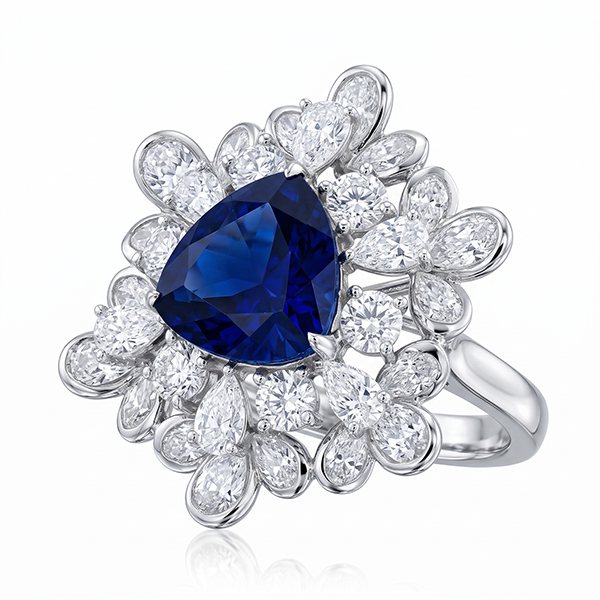
Among contemporary fancy gem cuts that redefine modern jewelry design, the kite cut gemstone stands out as a trendy, eye-catching alternative to traditional round, cushion, or princess cuts. Defined by its distinct four-sided angular silhouette with a pointed apex and widened base, the kite cut delivers a sleek, elongated visual effect that makes stones appear larger than their actual carat weight. Unlike symmetrical classic cuts, the kite cut gemstone balances subtle asymmetry with precise faceting, amplifying light reflection, brilliance, and color depth for vivid visual impact. Popular for sapphires, moissanites, garnets, and amethysts, this versatile cut works beautifully for minimalist pendants, bold cocktail rings, and layered jewelry designs. Its unique geometric shape suits both vintage-inspired aesthetics and modern minimalist styles, making it a top choice for custom jewelry designers and trend-focused consumers.

One of the most meaningful and heartfelt trends in modern gemstone craftsmanship is transforming beloved animal memories into timeless treasures through pet ashes into gemstones. Also widely referred to as pet ashes gemstones, this specialized memorial process infuses purified pet cremation ashes into lab-grown gemstone crystal structures, creating one-of-a-kind keepsake stones that preserve the bond between pet owners and their furry companions. These custom memorial gemstones are chemically and visually identical to natural and standard lab-grown gems, featuring durable hardness, stable color, and exceptional luster. Many customers choose to craft these sentimental stones into delicate pendants, rings, or custom gemstone necklace in fresno ca styles, turning precious memories into wearable, everlasting jewelry. Each pet ashes gemstones piece is entirely unique, with subtle internal characteristics that serve as a permanent, intimate tribute to beloved pets.

To guarantee the authenticity, quality, and value of any gemstone—whether it is a custom memorial stone, a trendy kite cut gemstone, or bulk wholesale inventory—relying on gia gemstone certification is non-negotiable. The Gemological Institute of America (GIA) sets the global gold standard for gemstone grading, evaluating critical factors including color grade, clarity, cut precision, carat weight, and overall craftsmanship. Every gia gemstone certification report provides detailed, unbiased data on a stone’s quality, eliminating market ambiguity and ensuring consumers and retailers receive genuine, high-grade gemstones. For custom memorial pet ashes into gemstones pieces and premium fancy-cut stones, GIA certification further verifies structural integrity and visual quality, adding credibility and long-term value to personalized jewelry investments.

A foundational skill for every gem buyer and jeweler is learning how do you measure the size of a gemstone accurately. Gemstone sizing relies on two core metrics: millimeter (mm) physical dimensions and carat weight. To measure a gemstone’s physical size, jewelers use precision calipers to record the stone’s length, width, and height, accounting for unique cut shapes—including the irregular elongated proportions of a kite cut gemstone. Carat weight measures the gem’s mass, with one carat equivalent to 0.2 grams. For consistent, error-free sizing, industry professionals depend on two essential tools: a gemstone sizes carat chart and a gemstone mm to carat calculator. The standardized gemstone sizes carat chart lists average millimeter dimensions corresponding to common carat weights for all popular cuts, while the convenient gemstone mm to carat calculator instantly converts measured mm sizes to estimated carat weight, simplifying quick comparisons for loose stones and finished jewelry alike.

Local jewelry shopping adds personalized convenience to gemstone collection, and residents and visitors in California can access exquisite custom pieces with a search for gemstone necklace in fresno ca. Local Fresno jewelers offer curated collections of certified gia gemstone necklaces, unique kite cut gemstone pendants, and bespoke pet ashes gemstones memorial necklaces. These local retailers combine professional craftsmanship with personalized service, allowing customers to customize stone cuts, metal settings, and chain styles to match their aesthetic preferences. Whether seeking everyday delicate wear, statement event jewelry, or sentimental memorial keepsakes, gemstone necklace in fresno ca providers deliver high-quality, verified gemstone pieces tailored to individual needs.
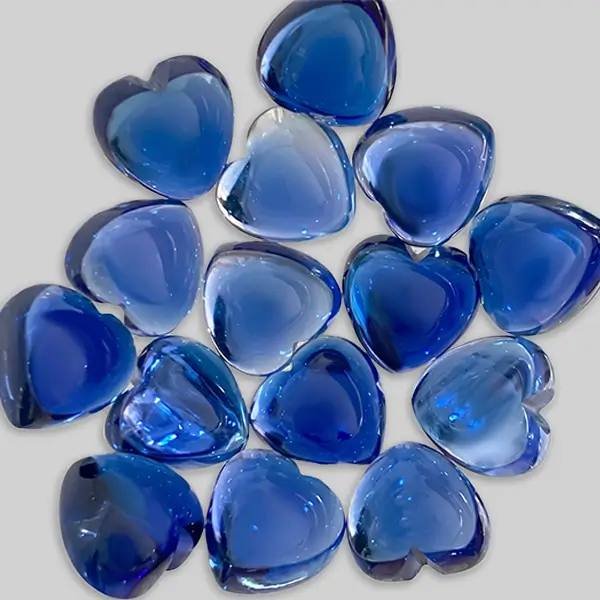
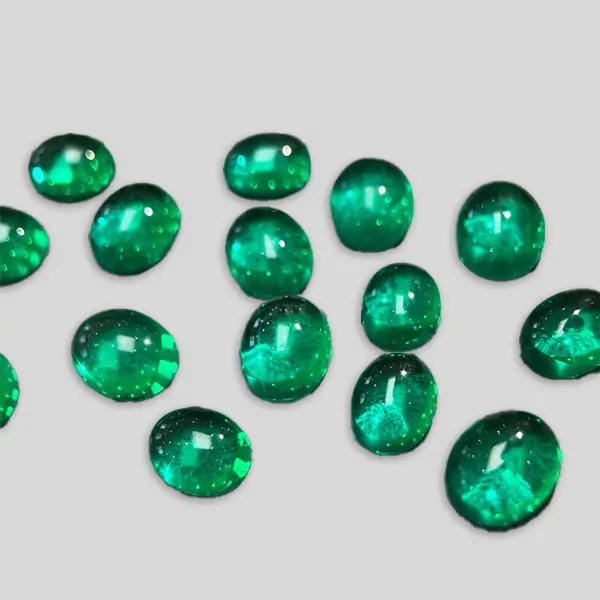
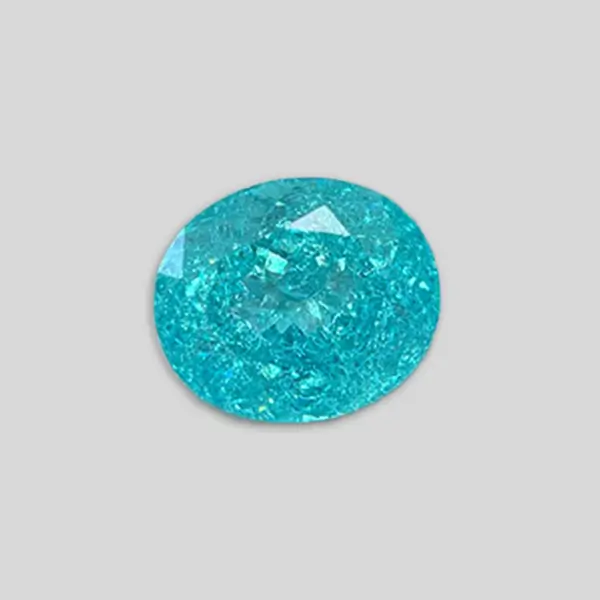
For jewelry retailers, designers, and bulk buyers looking for cost-effective, high-quality inventory, lab grown gemstones wholesale is the ideal supply solution. Wholesale lab-grown gemstones offer identical physical, optical, and chemical properties as natural gemstones at a significantly lower price point, with more consistent color, clarity, and cut precision. Reputable lab grown gemstones wholesale suppliers provide diverse inventory covering popular kite cut gemstone styles, standard round and cushion cuts, custom calibrated sizes matched to gemstone sizes carat chart specifications, and even blank stones suitable for pet ashes into gemstones customization. All wholesale stones can be paired with official gia gemstone grading reports, ensuring bulk inventory meets global quality standards. With reliable gemstone mm to carat calculator tools for size verification, wholesale buyers can accurately screen inventory, standardize product grading, and maintain consistent quality for retail sales and custom orders.
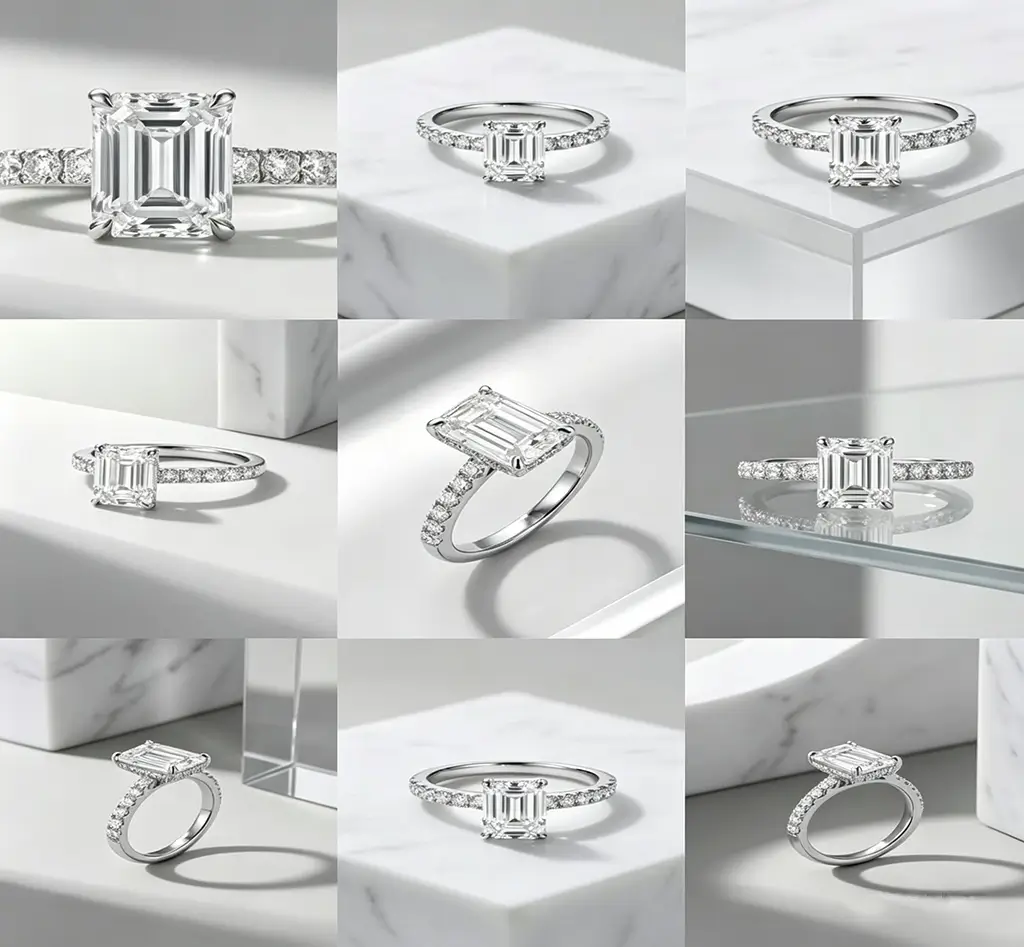
In summary, the modern gemstone industry spans emotional customization, standardized quality grading, precise technical sizing, local retail beauty, and scalable wholesale supply. From the distinctive geometric charm of a kite cut gemstone and the heartfelt sentiment of pet ashes into gemstones keepsakes, to authoritative quality verification via gia gemstone certifications, accurate sizing with agemstone sizes carat chart and gemstone mm to carat calculator, local wearable art like a gemstone necklace in fresno ca, and cost-effective business sourcing through lab grown gemstones wholesale, every keyword represents a vital layer of gemstone knowledge. Understanding how do you measure the size of a gemstone and mastering these core concepts empowers both personal jewelry lovers and industry professionals to select, customize, and source stunning, high-value gemstones with complete confidence.